Home » Services » Chimney Services » Creosote Removal
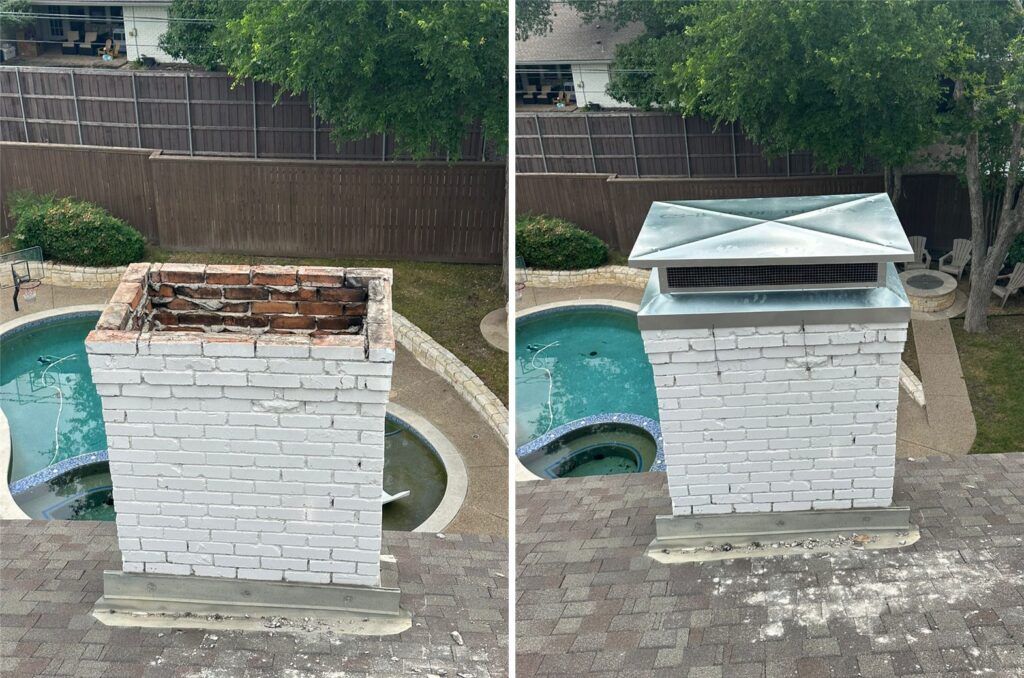
Before and after on every job
We know DFW homes and codes
Call (469) 902-2922
Not happy? We make it right
WHY IT MATTERS
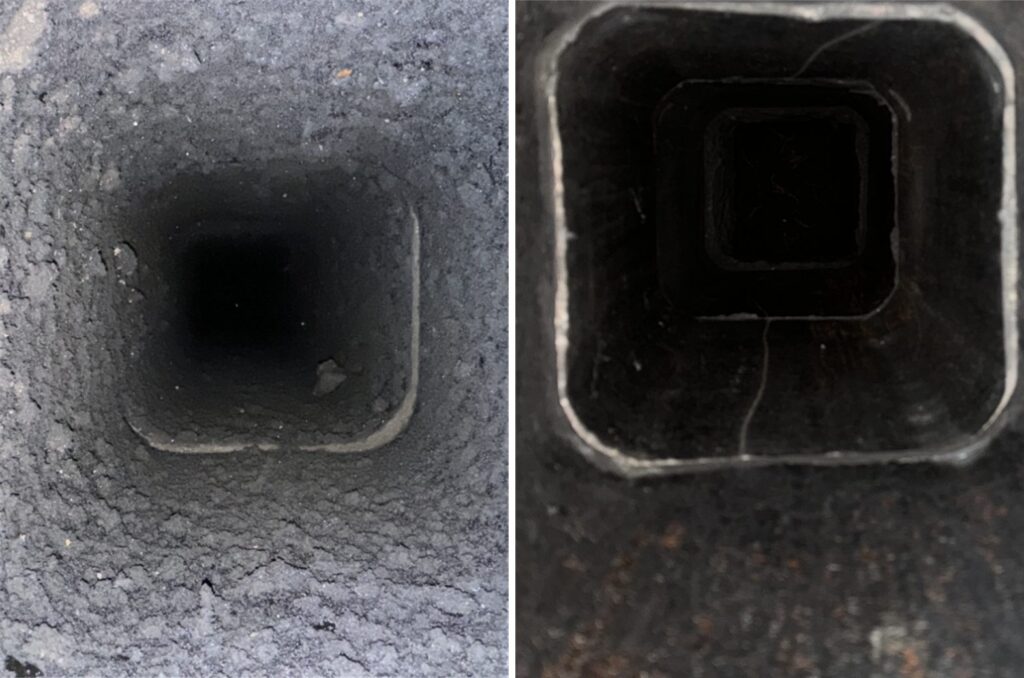
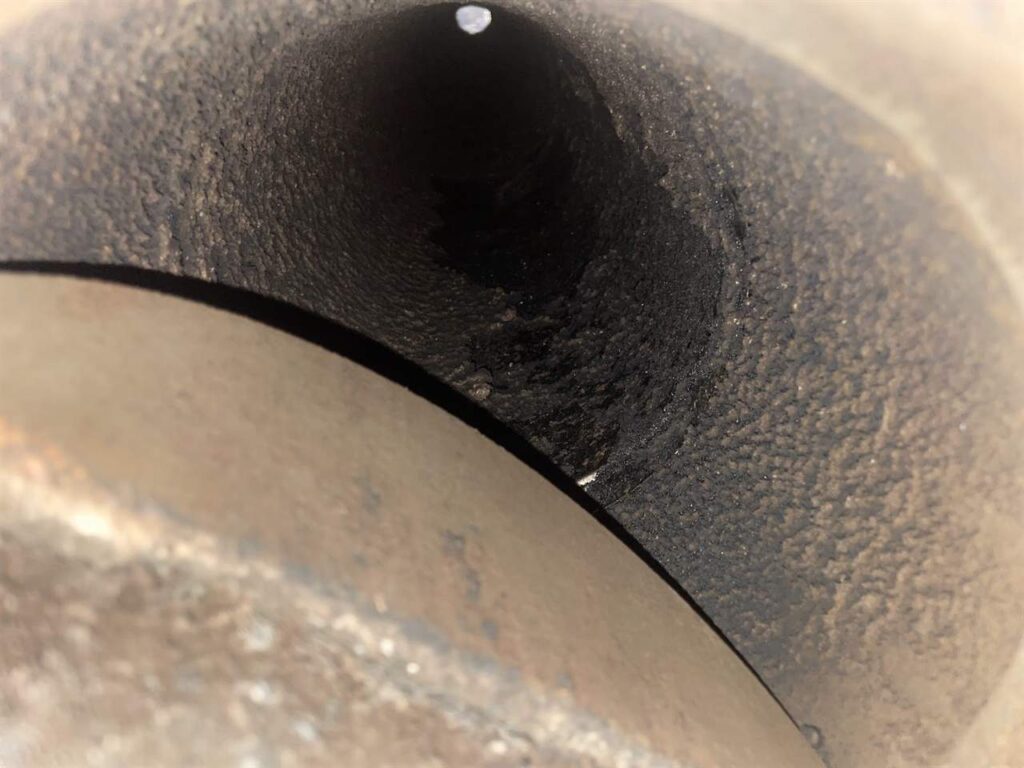
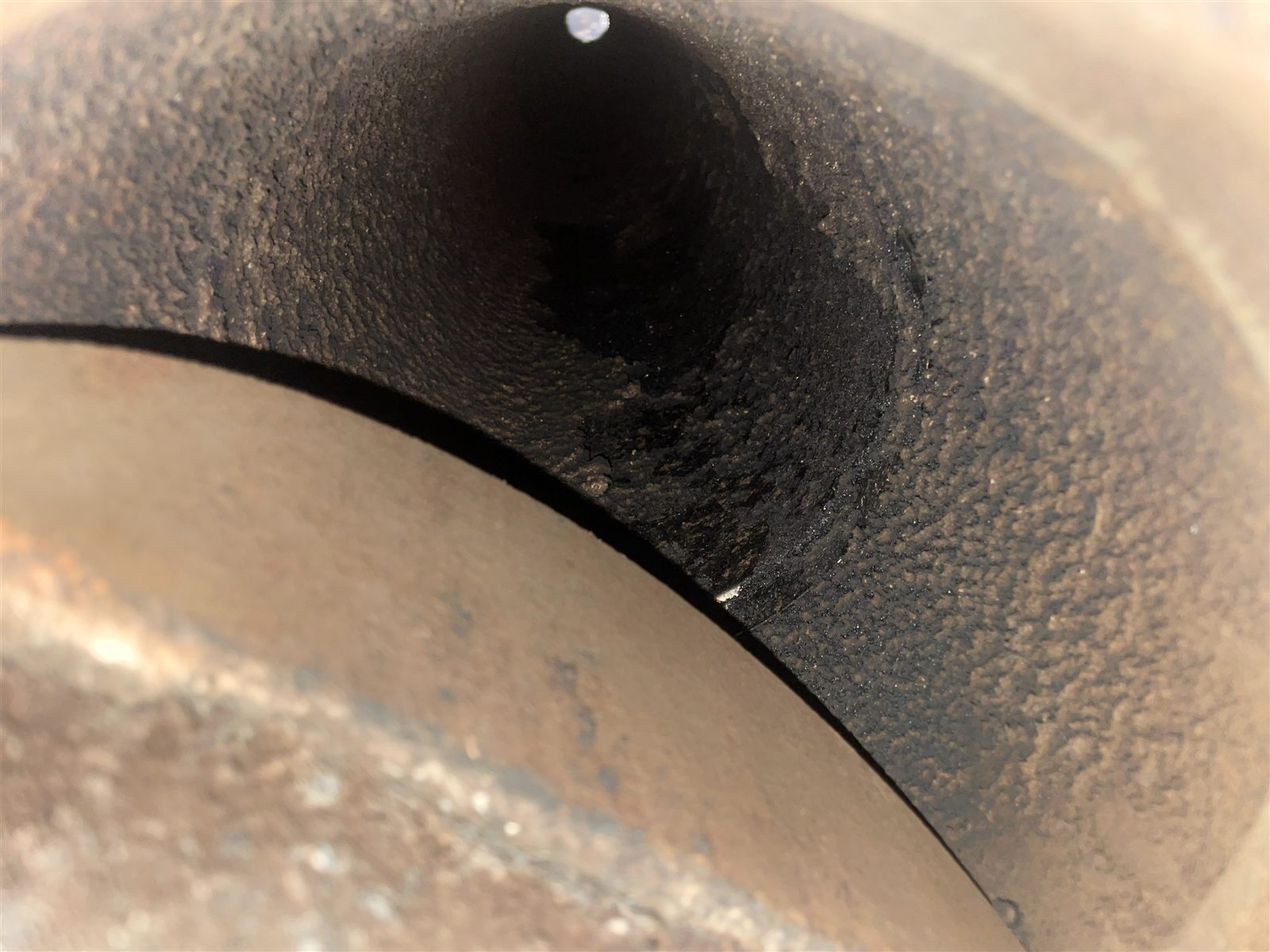
Creosote is what wood smoke leaves behind as it cools against the flue wall. It can be crusty and flaky, gummy and tar-like, or hard and shiny, and a single chimney often has all three. The thicker and harder it gets, the more fuel it traps and the harder it is to remove.
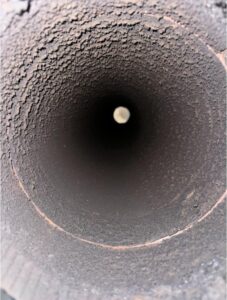
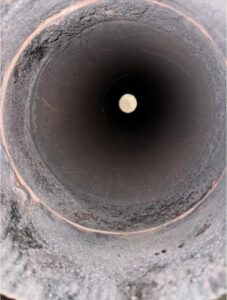
In DFW, fireplaces often sit idle for months and then burn heavily over a few cold weeks, so buildup goes unnoticed until a fire finally gets going. Removal means brushing the whole flue, not just wiping down the firebox. We contain the work, scrub the flue with rotary brushes, and confirm the result on camera, usually as part of a chimney cleaning visit.
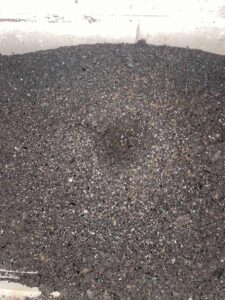
Recognize two or more? It’s time to give us a call.
01
02
03
04
05
THE WARRIOR STANDARD
1
2
3
Experienced crews and professional equipment. We solve 99% of the problems we find, and we answer every question honestly.
Book services together and we quote one clear total for the visit.
Call now and talk to our team, or send the form and we’ll call you back the same day with a clear quote.
No spam, no pressure. We call once with your quote.
Answers to the questions Dallas homeowners ask most about this service.
The Chimney Safety Institute of America advises sweeping a masonry fireplace once there is about an eighth of an inch of sooty buildup, and sooner if there is any glaze. You cannot judge that from the hearth, which is why we photograph the flue before we brush it.
No. Store-bought logs and powders can change how buildup behaves, but CSIA says they aren’t a substitute for an inspection and professional cleaning. A camera shows what is actually in the flue.
Glazed creosote is the hardest kind to clear, because brushing alone may not lift it. We photograph it, tell you what is left after the sweep, and explain your options instead of promising a result a brush cannot deliver.
Inspect the chimney every year and sweep when buildup calls for it. For most Dallas fireplaces, that works out to every one to two seasons of regular use, and every year if you burn most winter weekends.
Usually. Much of that odor comes from the creosote itself, so clearing the flue removes the source. The smell is often strongest on humid days, which is when many homeowners first notice it.