Home » Services » Dryer Vent Services » Dryer Vent Rerouting
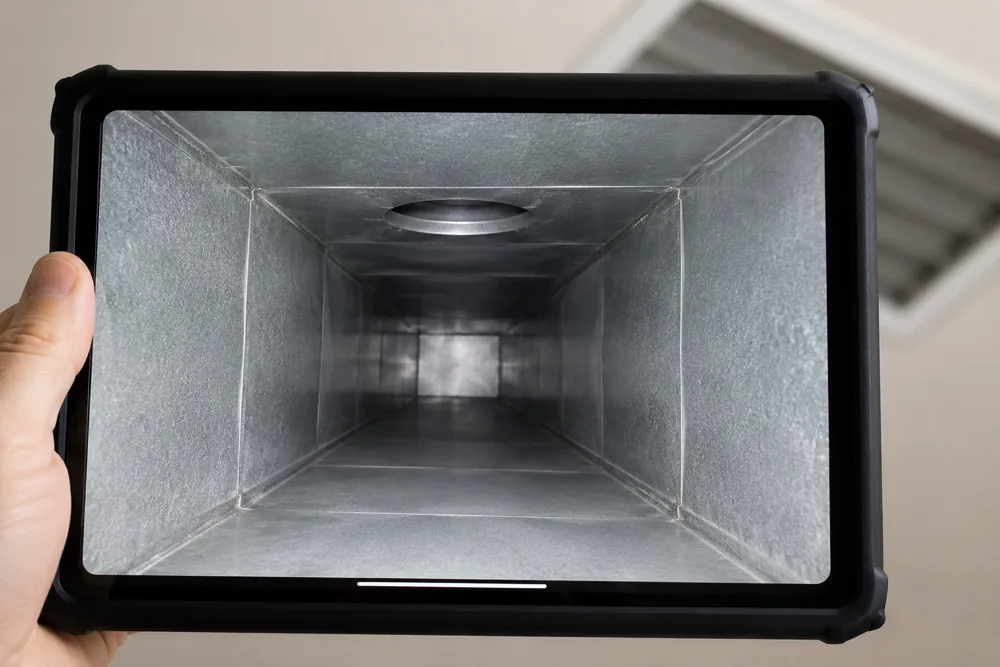
Before and after on every job
We know DFW homes and codes
Call (469) 902-2922
Not happy? We make it right
WHY IT MATTERS
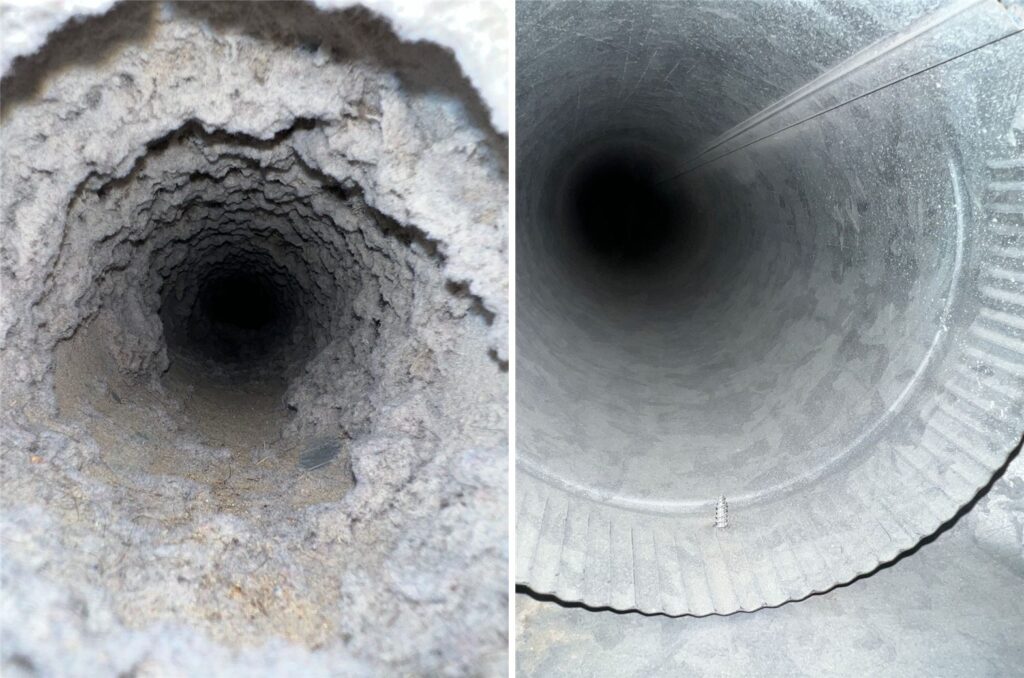
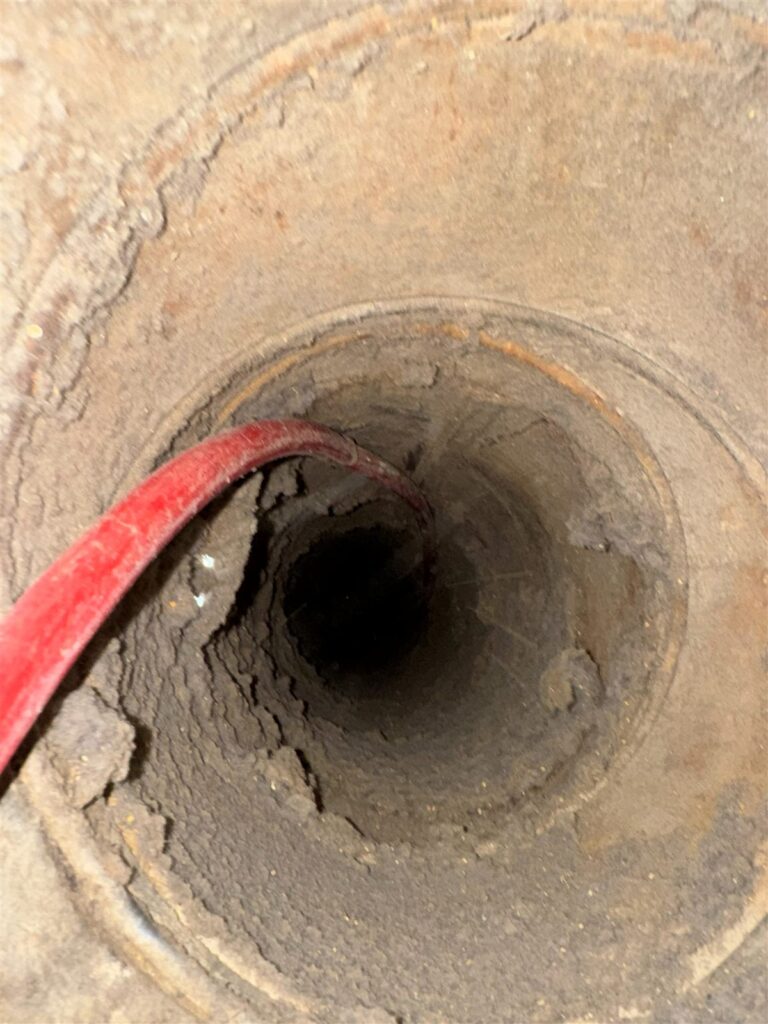
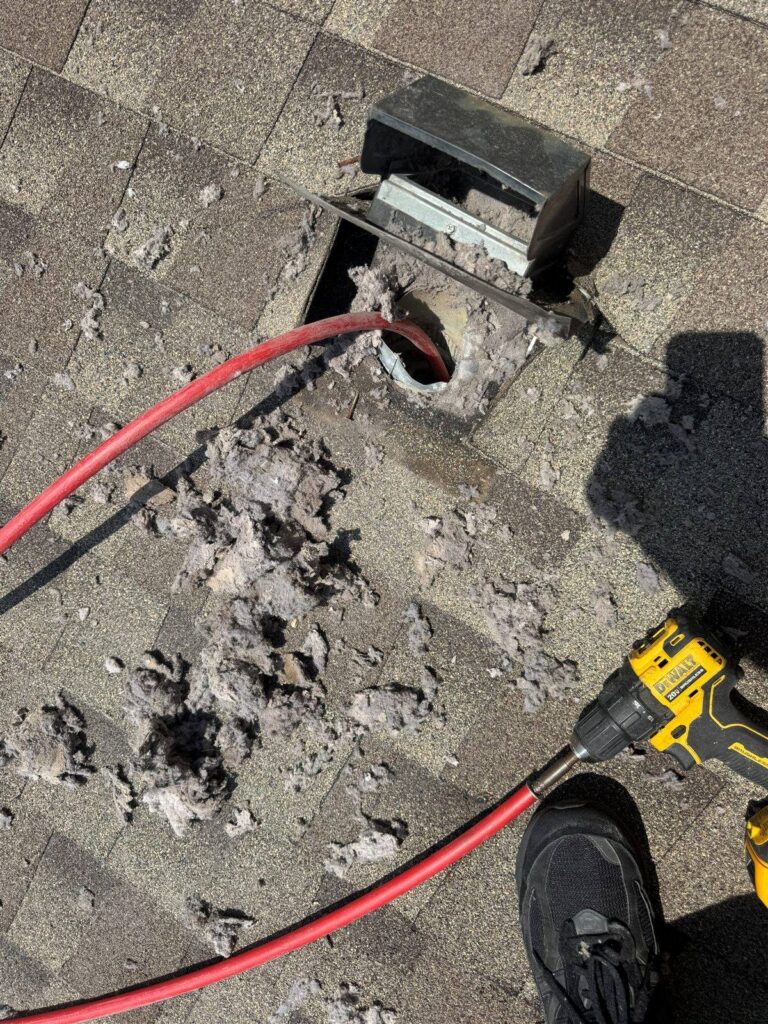
A lot of Dallas homes were built with the dryer vent taking the long way out, snaking across the attic or climbing straight up to a roof cap. Every extra foot and every turn is another place for lint to settle, which is why some vents clog again just weeks after a dryer vent cleaning. You can clean a bad route forever and it’ll never run right.
Rerouting fixes the cause. We find a shorter, straighter path to an outside wall wherever the layout allows, then build the new run to proper standards, the same care as a full dryer vent installation. Shorter path, fewer turns, less lint, and a dryer that stops working overtime.
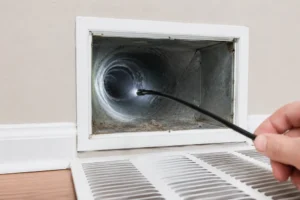
Recognize two or more? It’s time to give us a call.
01
02
03
04
05
THE WARRIOR STANDARD
1
2
3
Experienced crews and professional equipment. We solve 99% of the problems we find, and we answer every question honestly.
Book services together and we quote one clear total for the visit.
Call now and talk to our team, or send the form and we’ll call you back the same day with a clear quote.
No spam, no pressure. We call once with your quote.
Answers to the questions Dallas homeowners ask most about this service.
Almost always because the route is too long or has too many turns. Lint settles at every bend and low spot, so a bad path fills back up fast. Rerouting to a shorter run is what actually stops it.
In most homes, yes. A shorter run to a side wall usually beats a long climb to a roof cap, both for drying speed and for how much lint the line holds. We check the layout and tell you what’s possible.
If you’re cleaning a long, twisting vent every few months, rerouting usually pays for itself in saved cleanings and faster drying, plus the lower fire risk of a shorter line. We’ll be honest about whether your run is worth changing.
Yes. The old run is removed or capped and the old exit is sealed, so you’re not left with a hole letting in weather, pests, or attic air.
Most reroutes take about half a day, depending on how far the new path runs and how much of the old line comes out. We give you the timeline before we start.