Maybe your home inspector wrote “recommend a Level 2 chimney inspection,” or a chimney company quoted you for a Level 1, and you are not sure what you are paying for. The terms sound like quality grades, but they aren’t. They describe how deep the inspection goes, and the right level depends on what is happening with your chimney.
The short answer: chimney inspection levels describe how deep the inspection goes. A Level 1 inspection is a routine check of the readily accessible parts of the chimney for a system that stays in service under the same conditions. A Level 2 inspection adds the accessible attic, crawl space, and basement areas and typically a video scan of the flue, and it applies when something changes or after a property sale or damaging event. A Level 3 inspection reaches concealed areas, sometimes by removing parts of the chimney or building, and it is reserved for a suspected serious hazard that the first two levels cannot evaluate.
Why Are There Three Levels of Chimney Inspection?
The three levels come from NFPA 211, the standard for chimneys, fireplaces, and vents, and the Chimney Safety Institute of America (CSIA) introduced them as an industry standard for homeowners in 2000. The Chimney Safety Institute of America’s description of the three inspection levels explains that each level includes the one below it and adds more access and scrutiny.
The idea is practical. A routine annual check doesn’t require opening walls, and you can’t judge a suspected hidden hazard from the fireplace alone. Matching the level to the situation keeps the inspection useful without being excessive. Local codes can differ, so treat the levels as the industry standard rather than a legal requirement in every area.
What Is a Level 1 Chimney Inspection?
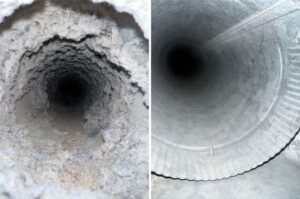
A Level 1 inspection looks at the readily accessible portions of the chimney exterior and interior, the connected appliance, and the chimney connection. The goal is to confirm that the structure is sound and that the flue is free of obstructions and combustible deposits such as creosote. It is the level used with routine chimney sweeping and annual checks when the system is easy to reach, and it keeps operating the way it has been.
For most homes, Level 1 is the default. The EPA’s page on wood-burning installation and maintenance notes that fire officials recommend having a wood-burning appliance, chimney, and vent professionally inspected each year, including a check for cracks that can let smoke into the home or expose chimney components to high temperatures. CSIA makes the same point for all chimneys, including those that serve gas appliances.
What Is a Level 2 Chimney Inspection?
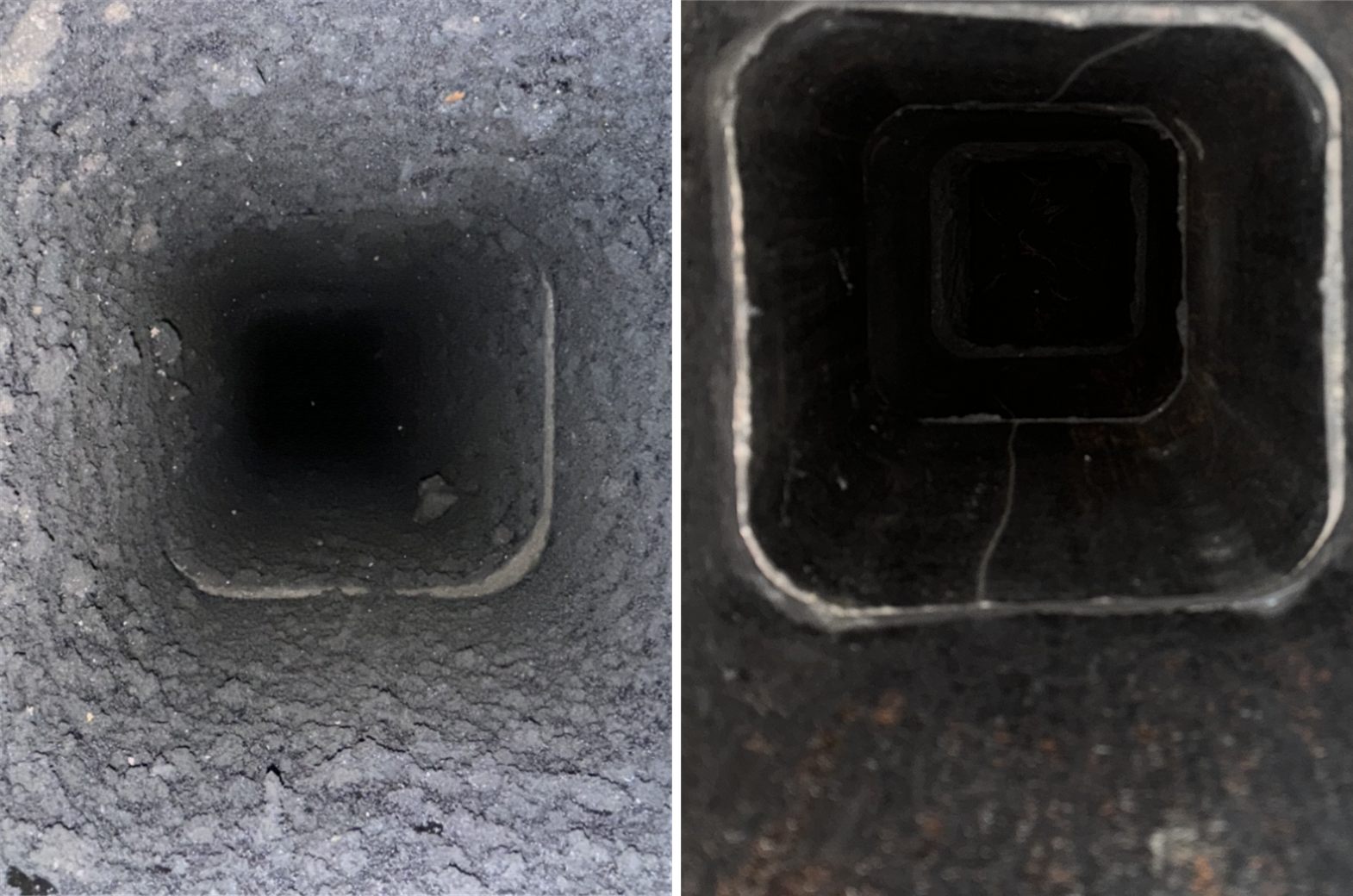
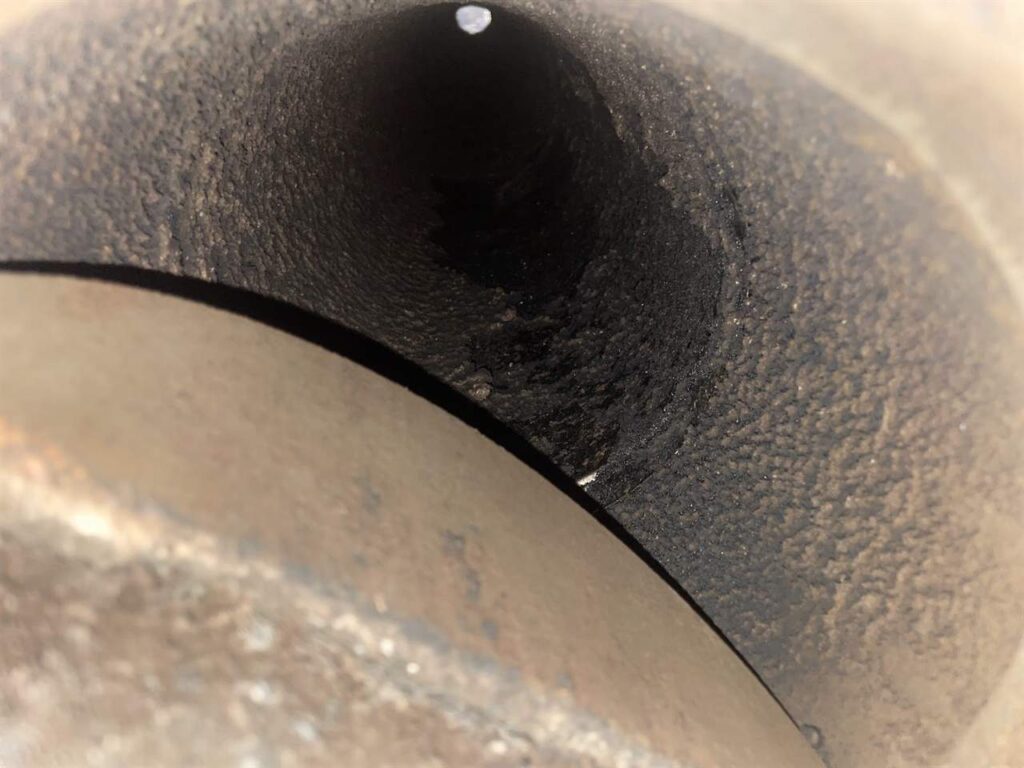
A Level 2 inspection includes everything in Level 1 plus the accessible portions of the chimney in attics, crawl spaces, and basements. It typically includes a video scan of the flue interior, and it may include a performance test such as a smoke or pressure test if the inspector recommends one.
CSIA’s standard lists the situations that call for it:
- Adding a new heating appliance, or switching to a different fuel or a dissimilar appliance
- Relining the chimney or making changes to the flue
- The sale or transfer of the property
- An operating malfunction, or an external event such as a chimney fire, severe storm, or earthquake that may have damaged the chimney
In Dallas–Fort Worth, Level 2 comes up most often at home purchases and after hail or high-wind events. A fireplace that sits unused for much of the year and is then lit on the first cold night is also a good candidate for a deeper look if you have no service history.
What Is a Level 3 Chimney Inspection?
A Level 3 inspection addresses the construction and condition of concealed portions of the chimney structure and flue. It includes the Level 1 and Level 2 areas and may require removing permanently attached parts of the chimney or building, such as portions of the crown or interior walls, to reach what cannot be seen otherwise. Because it can damage finishes or masonry, inspectors perform it only when a Level 1 or Level 2 inspection points to a hidden hazard that cannot be evaluated without that access, or when investigating an incident that damaged the chimney or building.
Most homeowners never need one. If an inspector recommends Level 3, ask what they found at the earlier levels, what they expect to open, and how the work will be repaired afterward.
Chimney Inspection Levels Compared
| Level | What it covers | Typical triggers | Access |
|---|---|---|---|
| Level 1 | Readily accessible parts of the chimney, the connected appliance, and the flue, checked for obstructions and creosote | Routine annual check, same use, same fuel | Readily accessible areas only |
| Level 2 | Everything in Level 1, plus accessible attic, crawl space, and basement areas and typically a video scan of the flue | New or changed appliance, relining, property sale, malfunction, storm, or chimney fire | Accessible areas, sometimes using tools or a ladder |
| Level 3 | Everything in Levels 1 and 2, plus concealed areas of the chimney structure and flue | A hazard is suspected that cannot be evaluated at Levels 1 and 2 | May require removing parts of the chimney or building |
Which Level Do I Need?
Use these common situations as a guide:
- Annual maintenance, no changes: Level 1.
- Buying or selling a home with a fireplace: Level 2.
- New insert, fuel change, or relining: Level 2.
- After a chimney fire, major storm, or settling: Level 2.
- Evidence of hidden damage after Level 1 or 2: Level 3.
If you are not sure, describe what happened to the person quoting the inspection and ask which level the quote covers. A flat quote for an inspection is only useful if you know the level it includes.
What Should a Chimney Inspection Include?
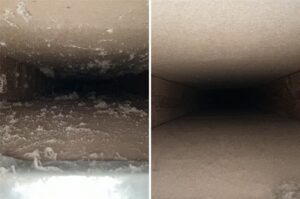
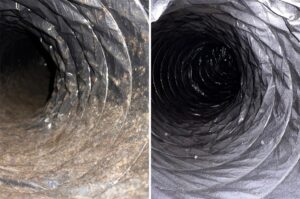
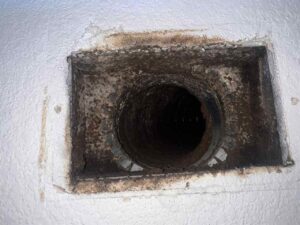
At whatever level, the inspection should check the crown, cap, and masonry; the flue and liner; the firebox; the damper; and the smoke chamber, and you should get photos of anything that is a problem. Creosote, a tar-like deposit that builds up on flue walls as wood burns, is the most common reason a routine inspection turns into a sweep, as in this Garland chimney sweep and cap replacement. It also explains why a dirty chimney and a damaged chimney are different problems that require different next steps.
Warrior Air Duct Cleaning’s chimney inspection covers the exterior crown, cap, and masonry, the flue and liner, and the firebox, damper, and smoke chamber. You receive photos of anything that needs attention and a plain verdict on whether it is safe to burn. The level of inspection needed, from routine to a full internal scan, shapes the quote, and most homes take 45 to 60 minutes. The inspection fee goes toward cleaning or repairs if you move forward.
Choose the Right Level Before You Light the Next Fire
A chimney inspection is only as useful as the level that matches your situation. For most homeowners, that means a routine Level 1 each year, a deeper Level 2 when something changes, and a Level 3 only in unusual cases. If you are not sure which one you need, call Warrior Air Duct Cleaning at (469) 902-2922 and tell us what is going on with your fireplace. We serve homeowners across Dallas–Fort Worth, from Plano and Frisco to Fort Worth, and we will give you a straight answer on what to book.
Frequently Asked Questions
How often should a chimney be inspected?
At least once a year, according to NFPA 211 as described by CSIA, and the EPA notes the same annual recommendation from fire officials for wood-burning systems. That applies even if the fireplace sees light use.
Does a home sale require a Level 2 inspection?
CSIA’s standard lists the sale or transfer of a property as a situation that calls for Level 2. Local rules and lenders can differ, so check what applies in your transaction.
Does a Level 2 inspection use a camera?
Typically, yes. Level 2 usually includes a video scan of the flue interior, which is why it reveals more than a visual check from the firebox.
Is a Level 3 inspection destructive?
It can be. Level 3 may require removing portions of the chimney or building to reach concealed areas, which is why it is used only when a hazard is suspected and cannot be evaluated otherwise.
Do gas fireplaces need inspections too?
Yes. CSIA says annual inspections matter for all chimneys, including those that serve gas appliances, because they can reveal hidden structural hazards.