You wipe down the shelves on Saturday, and by Wednesday a fine gray film is back on the TV stand, the dresser, and the tops of the picture frames. It can feel like the house makes dust faster than you can remove it. In a sense, it does, and wiping harder rarely helps because dust isn’t one problem with one cause.
So, why is my house so dusty? The short answer: a house is usually dusty because particles are entering, shedding, or circulating faster than they are being captured and removed. In many North Texas homes, the biggest contributors are a clogged or mismatched HVAC filter, leaky ductwork, outdoor dust and pollen slipping in, pets and soft furnishings, and, in some houses, heavy buildup inside the ducts themselves. This guide explains each cause, how to tell them apart, and what to try first.
What Is Household Dust Made Of?
House dust is a mixture, and the recipe changes from home to home. Typical ingredients include soil and pollen carried in from outdoors, fibers shed by carpet, bedding, and clothing, pet hair and dander, and fine particles produced by everyday activity. EPA’s overview of indoor particulate matter explains that indoor particles come from both outdoor and indoor sources, such as cooking and burning candles or fireplaces, which is why even a tidy home still produces some dust.
That mix matters because each ingredient has a different fix. Pollen and soil are an entry problem, fibers and dander are a source problem, and anything that stays airborne has to land on your filter or your furniture.
Why Does Dust Come Back So Fast?
If dust returns within days of cleaning, look at how air moves through your home. A central HVAC system pulls air out of the house, pushes it through a filter and a network of ducts, and delivers it back through the vents. In the Dallas–Fort Worth area, where air conditioning runs for much of the year, that loop repeats again and again, so any weak point in the system shows up quickly on your shelves.
The filter is clogged, the wrong type, or missing
The filter is your system’s first line of defense. A filter loaded with debris stops catching particles and can restrict airflow, while a filter that is too thin for your household lets fine particles pass straight through. Homes with pets, nearby construction, or heavy seasonal pollen often need fresher filters than the package suggests. Follow your equipment manufacturer’s guidance, and don’t jump to a much denser filter without confirming your system can handle the added resistance.
Leaky ducts and return-air gaps
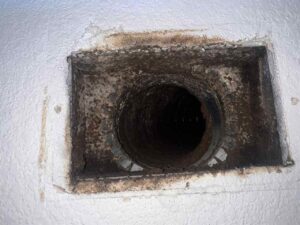
Ducts that run through hot attics and crawl spaces can develop loose joints, gaps, or disconnected sections over time. When a return duct leaks, the system can pull in unfiltered air from the attic or a wall cavity, carrying insulation fibers and dust straight into the airflow. If one room is always dustier than the rest, or you see dark streaks around a register, a nearby leak may be the culprit.
Dust and debris built up inside the ducts
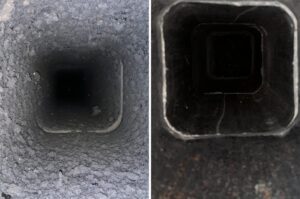
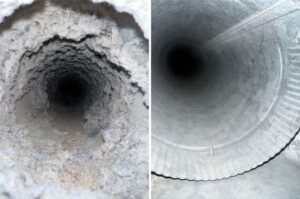
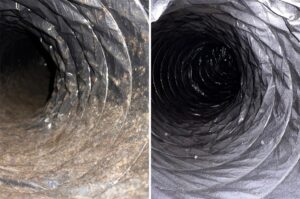
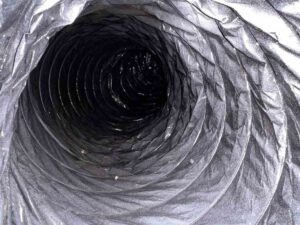
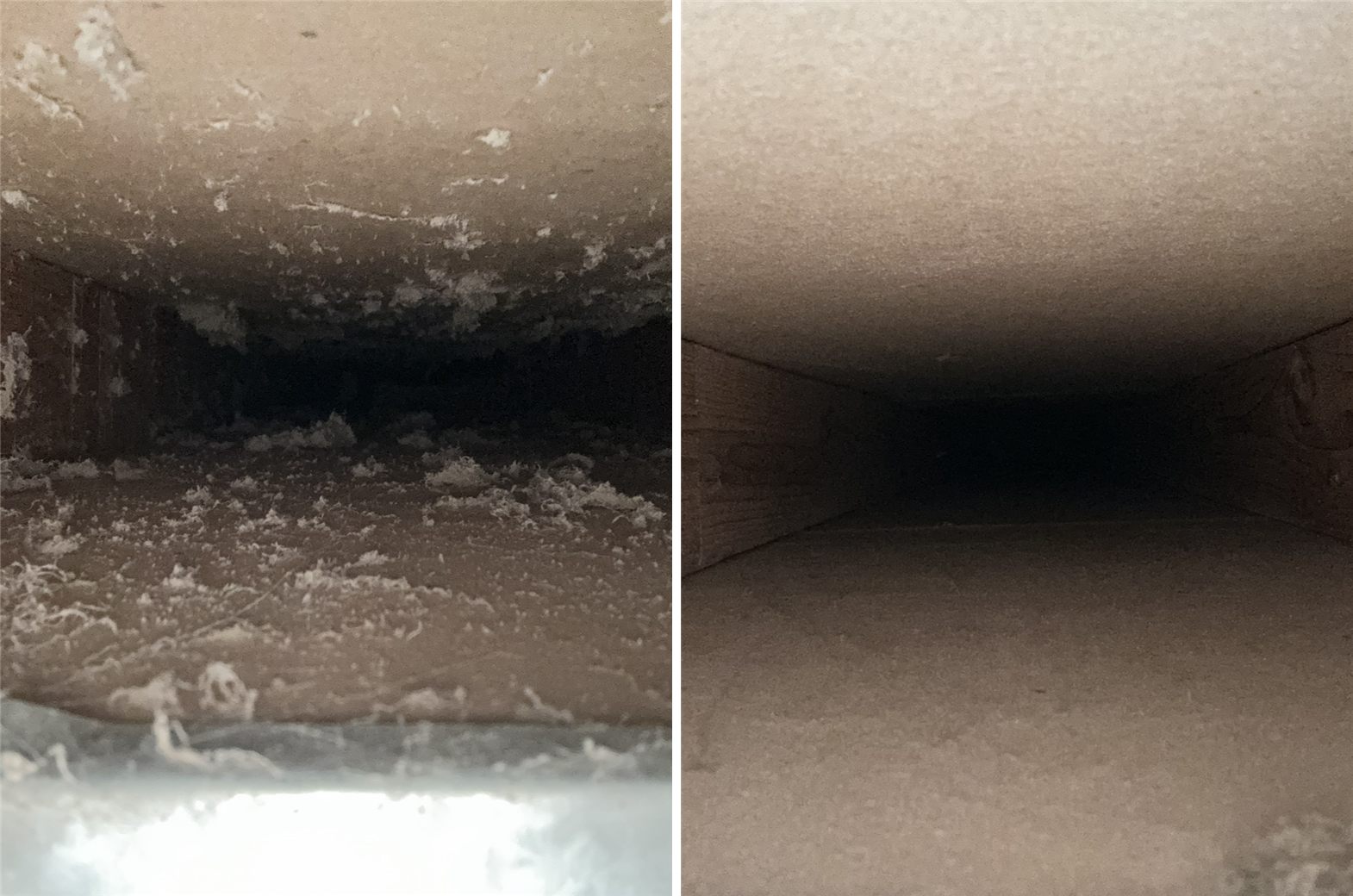
Ducts collect material over the years, and in some homes the buildup is heavy enough to be released into the living space. This is most likely after construction or renovation, in homes whose ducts have never been serviced, and in houses where filters were missing for a long stretch. It is also the cause people assume most often, so confirm it before paying for work.
Outdoor dust and pollen coming in
North Texas has windy stretches, seasonal pollen, and plenty of new construction, and all of it finds its way indoors through doors, windows, and small gaps. Worn weatherstripping and garage doors are common entry points, and shoes, pets, and open windows do the rest.
Pets, carpet, and soft furnishings
Pet hair and dander, upholstered furniture, rugs, curtains, and bedding all shed fibers and trap particles that become airborne when disturbed. A home with two shedding dogs and wall-to-wall carpet will generally produce more dust than a hard-floored home without pets.
Renovation, drywall, and construction dust
Sanding drywall and cutting tile create very fine dust that spreads through a house and into open registers. If the HVAC system ran during a remodel, or while a new home was being finished, some of that dust can end up in the ducts and keep circulating long after the work is done.
How Can I Tell Whether My Air Ducts Are Part of the Problem?
You usually cannot tell from the furniture alone. A few signs point to the ducts: visible dust or debris at the edge of vents, dust that settles within a day or two of cleaning, a musty smell when the air conditioner starts, or a recently renovated house that has never had its ducts serviced. None of these proves the ducts are the cause, but together they justify a closer look.
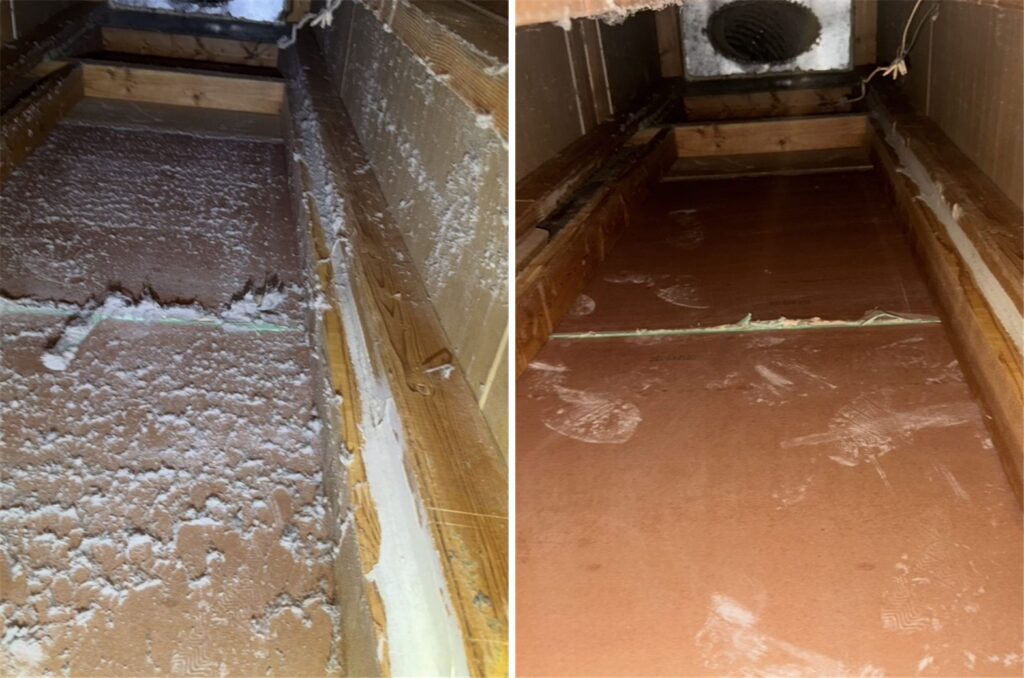
It also helps to be realistic about what duct cleaning can promise. EPA guidance on whether to have your air ducts cleaned says routine cleaning isn’t needed, and it should be considered when there is substantial visible mold, an infestation of rodents or insects, or ducts so clogged with dust and debris that particles are released into the home. That is a sensible standard. It means the best first step is to see inside the system rather than guess, and a camera-based air duct inspection does exactly that.
What Can I Do Today to Reduce Dust?
Start with low-cost steps that address the most common causes, in this order.
- Check your HVAC filter. If it is gray, matted, or has not been changed in months, replace it with the size and type your system calls for.
- Switch from dry dusting to a damp microfiber cloth so dust is removed rather than redistributed, and vacuum with a sealed or HEPA-filter vacuum.
- Wash bedding and throw blankets regularly, and vacuum upholstery, especially where pets sleep.
- Add doormats at entrances and consider a shoes-off habit to limit tracked-in soil.
- Wipe or vacuum your vent covers and return grilles, and note which rooms collect dust fastest.
- Check the dryer vent at the back of the dryer and at the outside wall. A loose or disconnected vent can release lint into the laundry room.
- If dust is still returning after a few weeks, schedule an inspection of the ductwork rather than guessing.
Filter, Sealing, or Duct Cleaning: Which One Fixes What?
The table below matches common dust patterns to the most likely cause and a sensible next step.
| Likely cause | What you may notice | Best next step |
|---|---|---|
| Clogged or wrong filter | A visibly dirty filter, weak airflow, dust that returns quickly | Replace the filter with the type your manufacturer specifies |
| Leaky return or supply ducts | One room much dustier than others, dark streaks at joints or registers | Inspect the ducts, then seal or repair where needed |
| Heavy debris inside the ducts | Visible debris at vents, dust puffing from registers at startup | Camera inspection, then professional cleaning if the footage supports it |
| Construction or renovation dust | Fine, pale dust after a remodel or in a newly built home | Post-construction cleaning of the home and ducts |
| Outdoor dust and pollen | Worse in windy or high-pollen weeks, heaviest near doors and windows | Weatherstripping, doormats, and window habits |
| Pets and soft furnishings | Fur and dander on fabrics, dust concentrated near beds and sofas | More frequent vacuuming, washing, and filter changes |
When Is It Worth Calling a Professional?
Call when simple fixes haven’t helped, when you have just moved into a new or recently renovated home, or when you see debris, suspect mold, or notice signs of pests in the ducts. Warrior Air Duct Cleaning starts with a camera inspection of the duct system and shows you what is inside before quoting, so you decide based on footage rather than a sales pitch. If cleaning is warranted, the crew uses rotating brushes with negative-air equipment and gives you before-and-after photos from inside the ducts. If the ducts are fine, the crew will say so, and the search can move on to filters, leaks, or household sources.
Warrior Air Duct Cleaning serves homeowners across Dallas–Fort Worth, from Plano and Frisco to Fort Worth.
Frequently Asked Questions
Why is my house still dusty right after I clean?
Cleaning removes settled dust but does not stop the sources. If a worn filter, duct leaks, pets, or outdoor entry points keep supplying particles, surfaces will look dusty again within days. Dry dusting can also lift particles into the air, only for them to settle again.
Does a dusty house mean my air ducts are dirty?
Not necessarily. Dirty ducts can contribute, but so can the filter, duct leaks, pets, and outdoor dust, so it’s worth ruling those out first. A camera inspection shows what is actually inside the ducts.
How often should I change my HVAC filter?
It depends on the filter type, your household, and how much the system runs. Many one-inch pleated filters should be changed every 1 to 3 months, and thicker media filters last longer. Check the filter monthly during heavy cooling season, replace it when it looks dirty, and follow your manufacturer’s instructions.
Why is my new house so dusty?
Construction leaves behind drywall dust, sawdust, and debris, and builders often leave ductwork exposed during the build. A new home can start with dust already in the system, and before the furniture moves in is the easiest time to clean.
Will air duct cleaning stop the dust?
It will not eliminate dust, because dust comes from many sources. When ducts hold heavy debris, removing it removes one source. It will not fix a clogged filter, a leaky return, or heavy pet shedding, which is why you need to find the cause first.
Stop Guessing and Find the Real Source
Constant dust is frustrating, but it is usually solvable once you know where it is coming from. Start with the filter and simple household habits, then check the ducts if the dust keeps coming back. For a straight answer instead of a guess, call Warrior Air Duct Cleaning at (469) 902-2922 or request a quote on our website. We will look inside your system, show you what we find, and tell you honestly whether you need cleaning, repairs, or nothing at all.