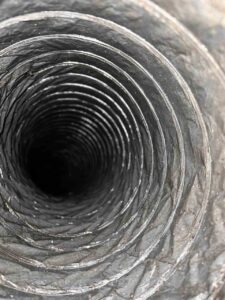
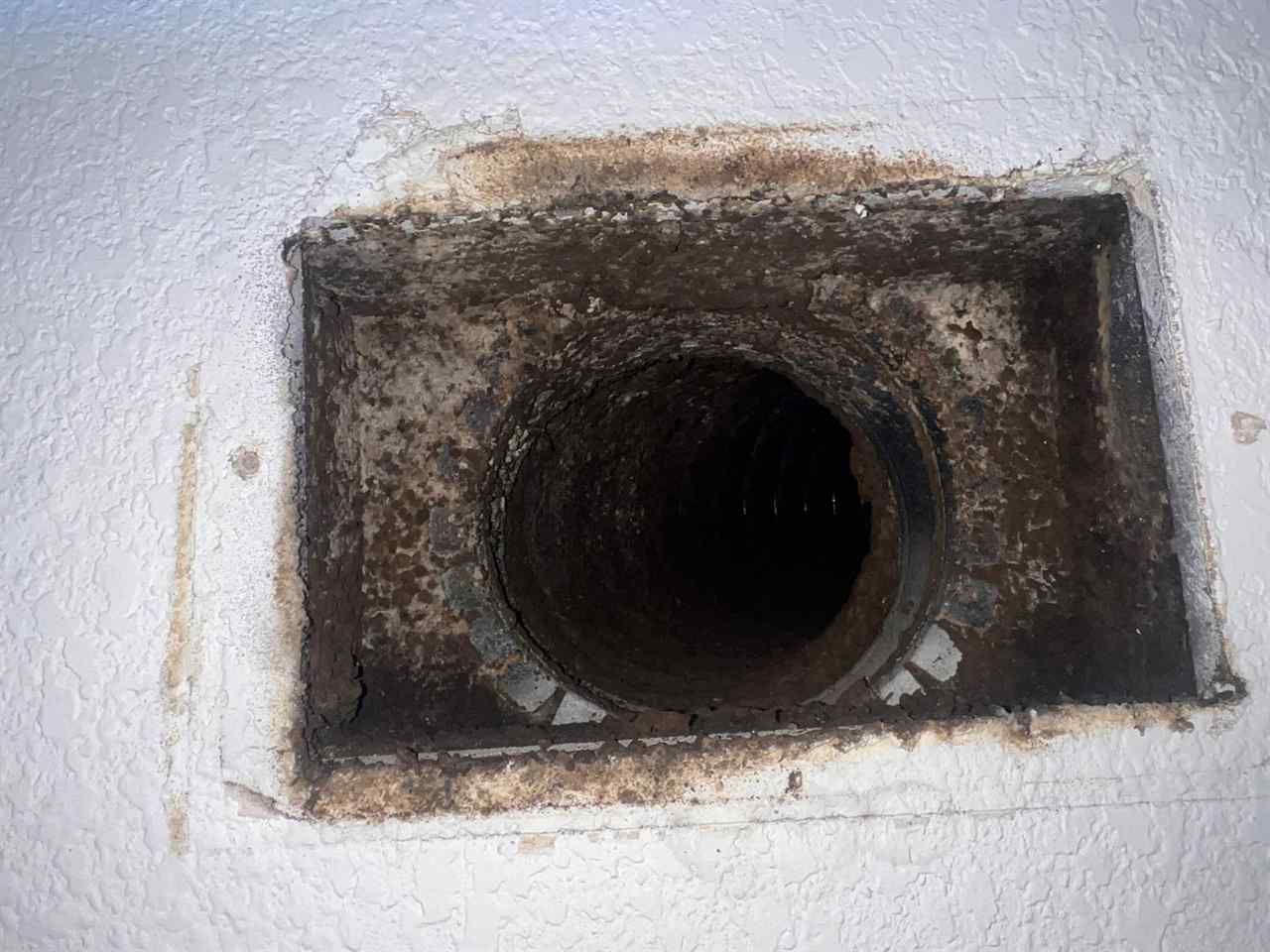
A musty smell every time your AC kicks on is not just unpleasant, it is often the first sign that mold has taken hold somewhere inside your duct system. North Texas humidity, long cooling seasons, and condensation on HVAC components create exactly the environment mold needs to grow, and once it is established, your system can spread it through every room on the same air handler. Here is how mold gets into air ducts, the signs to watch for, and what actually removes it instead of just covering it up.
How Mold Gets Into Your Air Ducts
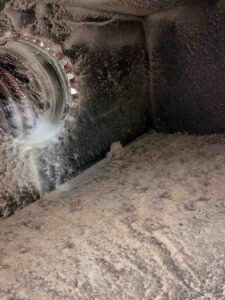
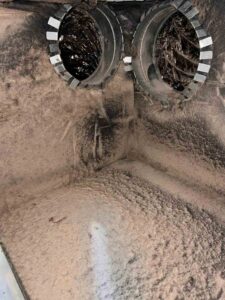
Mold needs three things to grow: moisture, a food source, and time. Air ducts and HVAC components can supply all three. Condensation forms on the evaporator coil and inside the plenum every time your AC runs, and if drainage is slow or insulation is damaged, that moisture lingers on nearby surfaces. Dust, pet dander, and other organic debris that build up inside ductwork give mold spores something to feed on. Once a colony establishes on the coil, blower housing, or inside the ducts themselves, your system recirculates spores into every room it serves.
Signs of Mold in Your Ductwork
- A musty or mildew smell when the AC or heat first turns on
- Visible dark or greenish spotting around vents and registers
- Condensation or dampness on visible ductwork, especially in the attic
- Allergy or respiratory symptoms that ease up when you leave the house
- A musty smell that air fresheners only mask for a few hours
Health Risks of Circulating Mold
When an HVAC system recirculates mold spores, everyone breathing that air is exposed throughout the day, not just near the source. Commonly reported effects include nasal congestion, throat and eye irritation, coughing, and worsened symptoms for anyone with asthma or existing allergies. Children, older adults, and anyone with a compromised immune system or respiratory condition are generally more sensitive to indoor mold exposure. If anyone in your home has unexplained respiratory symptoms that improve away from the house, it is worth having your duct system checked.
What Doesn’t Actually Fix It
| What people try first | What it actually does |
|---|---|
| Air fresheners or odor sprays | Masks the smell temporarily, does nothing to the mold itself |
| Replacing the air filter | Helps airflow, but does not touch mold already growing inside the ducts or on the coil |
| Wiping visible spots at the vent | Removes what you can see and reach, not what is growing further back in the duct run |
| Source-removal cleaning and sanitizing | Physically removes mold and contaminated dust from the duct system and treats remaining surfaces |
What To Do If You Suspect Mold
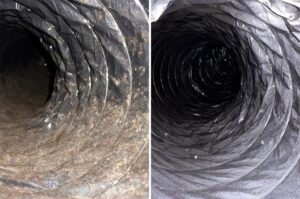
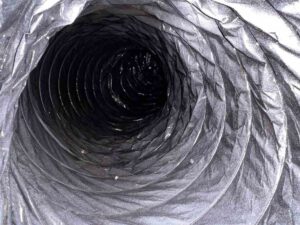
Start with a professional inspection rather than guessing from a whiff of the return vent. A real inspection should show you what is actually inside your ductwork, including photos, not just take your word for it. From there, source-removal cleaning physically pulls contaminated dust and mold out of the trunk lines, plenum, and vents, and a sanitizing treatment addresses what is left on the surfaces. If condensation or a drainage issue is feeding the problem, that needs to be addressed too, or the mold simply comes back. Warrior Air Duct Cleaning provides air duct sanitizing and indoor air quality services built around exactly this kind of source removal, with before-and-after photos from inside your own system. Call the Warrior team today at (469) 902-2922 to get a straight answer on what is really in your ducts.