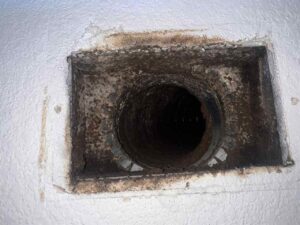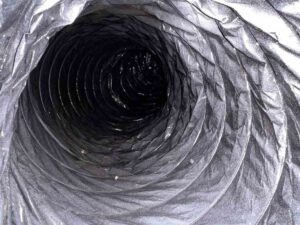

A dryer vent is easy to ignore because nothing about it is visible. The line runs out of sight through a wall, an attic, or up to the roof, and it keeps working right up until lint builds up enough to slow it down. By then the dryer has usually been telling you for weeks.
The short answer: the most reliable signs your dryer vent needs cleaning are clothes that take more than one cycle to dry, a dryer or laundry room that gets unusually hot, a burning smell while the dryer runs, weak airflow at the outside vent, lint collecting around the door or behind the machine, and a vent that has not been cleaned in over a year. If you notice two or more of these, it is time to have the vent checked. Here is what each sign means and how to confirm it safely.
Why Does a Clogged Dryer Vent Matter?
The dryer lint trap catches part of the lint, not all of it. What gets past the trap travels with hot, moist air through the vent, and it settles at every bend and joint along the way. As the line narrows, airflow drops, the dryer takes longer to dry, and heat and lint pile up close to a heating element.
That is why dryer maintenance is treated as a fire-safety issue. In its analysis of 2008 to 2010 fire data, the U.S. Fire Administration’s report on residential clothes dryer fires estimated about 2,900 dryer fires a year in residential buildings and found that failure to clean was the leading contributing factor, accounting for 34 percent of them. The report also notes that reduced airflow from lint buildup can cause a dryer to run inefficiently and possibly overheat, and that fires were more common in the fall and winter. The data is a few years old, but the mechanism has not changed.
What Are the Signs Your Dryer Vent Is Clogged?
1. Clothes take more than one cycle to dry
This is the classic symptom. If towels and jeans that used to dry in one cycle now need two, restricted airflow is a likely cause. Check the lint trap first, then the vent.
2. Clothes and the dryer are hot, but still damp
When hot, humid air cannot leave the house, it stays in the drum, and the clothes stay wet. Garments that come out hot to the touch but damp are a warning sign.
3. The laundry room feels hot or humid
A clogged, crushed, or leaking vent can push warm, moist air back into the house. A laundry room that is noticeably warmer or stuffier after a load deserves a closer look.
4. You smell something burning
A hot or burning smell while the dryer runs can mean lint is overheating in the line or inside the machine. Stop the dryer, unplug it, and have the vent checked before using it again.
5. Little airflow at the outside vent
Run the dryer for several minutes, then go outside and hold your hand near the exit. You should feel steady warm air and see the flap open. If the flap barely moves, is packed with lint, or has a nest or debris behind it, air isn’t leaving the house as it should.
6. Lint around the door seal or behind the dryer
Lint that collects around the door, on the floor, or behind the machine suggests it is escaping where it shouldn’t. A loose joint or a blocked line can push lint back toward the dryer.
7. The dryer shuts off mid-cycle
Many dryers have safety devices that shut off the heat when they overheat. A dryer that stops partway through a cycle or runs hot and quits can be reacting to restricted airflow.
8. It has been more than a year since the last cleaning
A vent can look perfectly fine from the laundry room while the hidden stretch is packed with lint. If you do not remember the last cleaning, or you just bought the home and have no service history, assume it is due. Long runs, roof exits, and homes with several people doing laundry usually need attention sooner.
How Can I Check My Dryer Vent Safely?
You can do a quick check without disassembling anything. If the dryer is gas-powered, do not move it or disturb the gas connection. Call a professional instead.
- Clean the lint trap and wipe off any film left on the screen.
- Run the dryer on a heat setting for five to ten minutes.
- Go outside, find the exterior vent, and confirm the flap opens and that you feel steady airflow.
- Look at the flexible duct behind the dryer, if you can see it, for kinks, crushing, or plastic or foil material.
- If airflow is weak, the flap is stuck, or the duct looks damaged, stop using the dryer and schedule a vent cleaning or a dryer vent inspection.
NFPA’s clothes dryer safety guidance recommends rigid or flexible metal venting to maintain airflow, ensuring the exhaust pipe isn’t restricted, the outdoor flap opens when the dryer runs, and the vent pipe is cleaned of lint once a year, or more often if drying takes longer than normal.
What Is the Difference Between the Lint Trap and the Dryer Vent?
The lint trap, also called the lint filter, sits inside the dryer and catches lint during each load. The dryer vent, also called the exhaust duct, carries hot, moist air from the dryer to the outside. Cleaning the lint trap is a daily habit. Cleaning the vent is a periodic job because lint that slips past the trap collects along the line where you cannot see it.
How Often Should a Dryer Vent Be Cleaned?
NFPA recommends clearing the vent once a year, or sooner if drying times start to stretch. Large households, heavy laundry use, long attic runs, and roof exits can all justify a shorter interval. Many Dallas homes were built with the vent taking the long way out, across the attic or up to a roof cap, and each extra foot and turn gives lint another place to settle. Multi-unit properties with several dryers should keep the same schedule for each vent.
What Happens During a Professional Dryer Vent Cleaning?
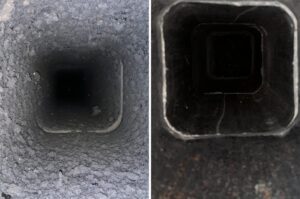
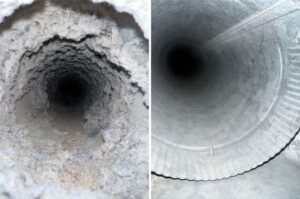
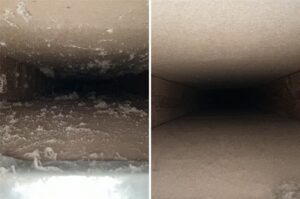
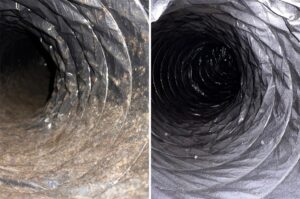
A professional visit follows a set routine. Warrior Air Duct Cleaning starts at the vent behind the dryer, inspects it from the inside, then safely disconnects the dryer and protects the work area. A rotating brush travels the entire line, every bend and every joint, while a vacuum captures the lint. The crew clears the line through to the wall or roof cap, reconnects the dryer, confirms strong airflow, and walks you through before and after photos. Most homes take about an hour.
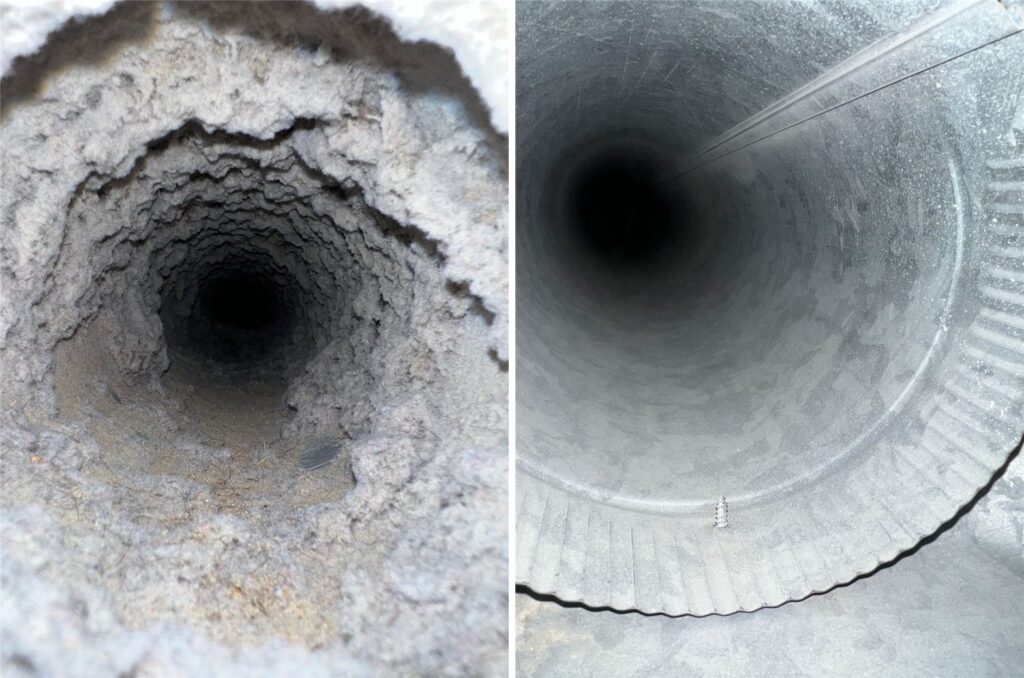
If the line is crushed, disconnected, or routed so poorly that it keeps clogging, cleaning alone won’t fix it, and repair or rerouting may be the better answer. Professional dryer vent cleaning from Warrior Air Duct Cleaning covers the full line from the dryer connection to the exterior cap, and the crew will tell you honestly if the problem is something else.
Do Not Wait for a Burning Smell
A clogged dryer vent gives plenty of warning before it becomes dangerous, but only if you know what to look for. If your clothes are taking two cycles, your laundry room feels like a sauna, or you cannot remember the last cleaning, call Warrior Air Duct Cleaning at (469) 902-2922. We serve homeowners across Dallas–Fort Worth, from Plano and Frisco to Fort Worth, and we will clear the full line and show you the before-and-after photos.
Frequently Asked Questions
How do I know if my dryer vent is clogged?
The clearest signs are clothes that need more than one cycle, a hot dryer or laundry room, a burning smell, and weak airflow at the outside vent. Any two together are enough reason to have it checked.
Can a clogged dryer vent cause a fire?
It can contribute to one. Lint is highly flammable, and a clogged vent traps heat near the dryer. The U.S. Fire Administration found failure to clean to be the leading contributing factor in residential dryer fires, although cleaning reduces risk rather than eliminating it.
Why is my dryer taking two cycles to dry?
Restricted airflow is a common cause, either from a full lint trap, a clogged vent, or a crushed or leaking vent line. Clean the trap first. If the problem continues, the vent needs attention.
How long does dryer vent cleaning take?
Most homes take about an hour, although long attic runs and roof exits can take longer.
Can I clean my dryer vent myself?
You can clean the lint trap and the area behind the dryer. You can clean short wall vents with the right brush kit. Leave longer runs and roof exits to professionals, and never disturb gas dryers without proper training.