Every North Texas summer, the same pattern shows up. One bedroom never cools off, the air conditioner runs nearly nonstop, and the electric bill climbs. The problem is often not the air conditioner at all. It is the ductwork above the ceiling, where attic duct damage from summer heat quietly lets cooled air escape.
This guide explains why attic ducts take such a beating, what the damage looks like, how to check without putting yourself at risk, and how repairs, sealing, and replacement compare. It is written for Dallas-Fort Worth homes, where ducts in the attic are common and summers are long.
Key Takeaways
- Attic heat dries sealants, cracks flexible duct jackets, loosens joints, and degrades insulation.
- Hot rooms, constant run time, rising bills, and more dust near vents are common warning signs.
- A camera inspection shows the damage without anyone crawling through a hot attic.
- Sealing and repair can often fix leaks without replacing ductwork, and the right choice depends on what the inspection finds.
Why Attic Ducts Take a Beating in Summer
An attic can get far hotter than the air outdoors, and ducts sit in that heat all day while cold air runs through them. That combination is hard on materials. Adhesives and sealants dry out, plastic jackets become brittle, and insulation can break down or shift. The repeated cycle of heating and cooling stresses every joint.
Ducts also get damaged by things that have nothing to do with heat. Foot traffic and stored boxes can crush flexible runs, and rodents can chew through them. Heat just makes every weak point worse and more likely to fail.
Common Types of Heat-Related Damage
Dried-out tape and sealant
Ductwork is held together by joints, and joints rely on tape, sealant, and straps. When they dry and let go, the connection leaks or separates. The ENERGY STAR duct sealing flyer lists leaky, torn, and disconnected ducts among the most common duct problems.
Brittle or cracked flexible duct
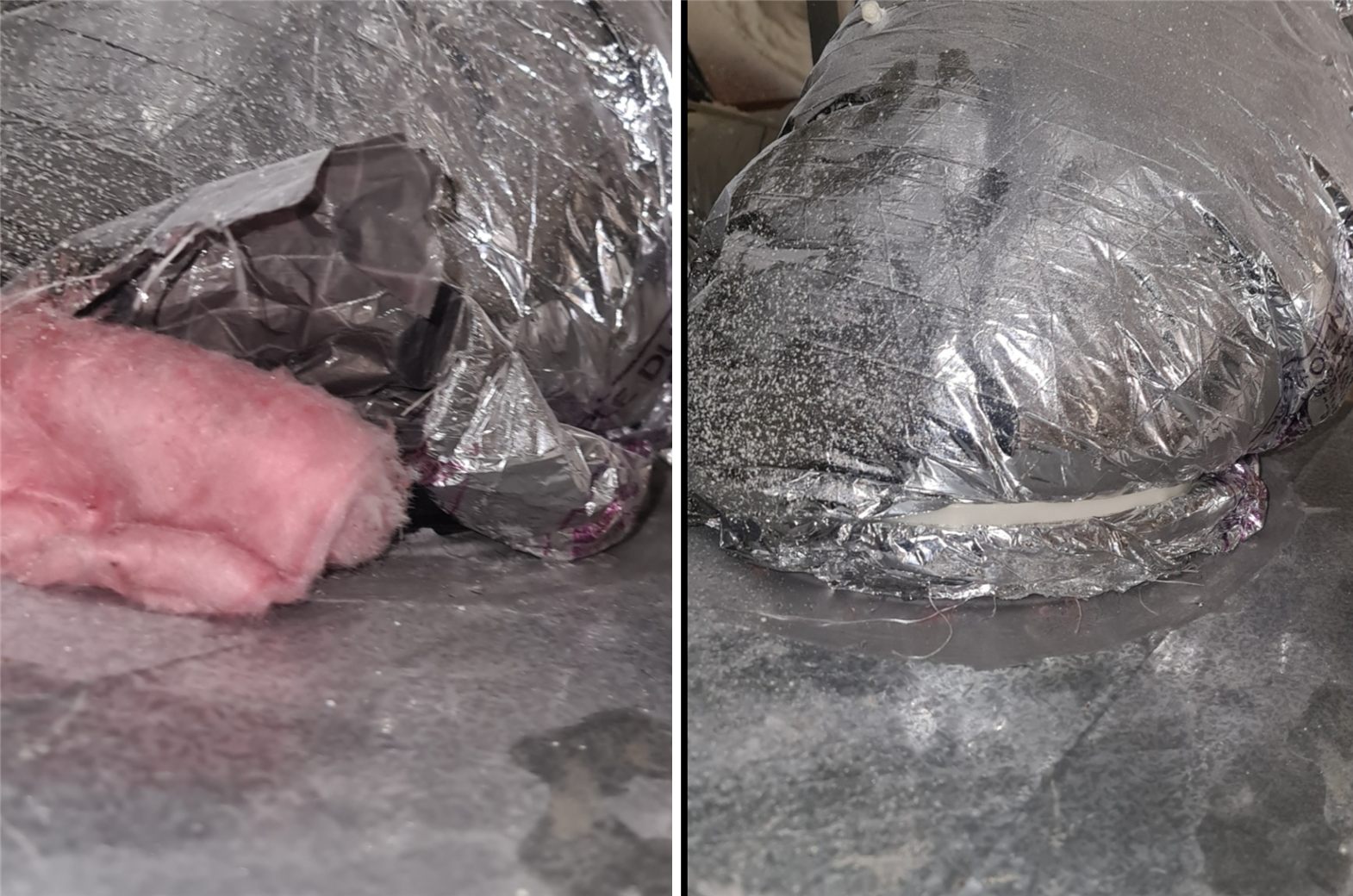
Flexible duct has a thin inner liner and an outer jacket. Years of attic heat can crack the jacket, and a torn liner leaks air and lets attic dust into the system.
Sagging, kinked, or crushed runs
Straps loosen and runs sag, and a kink or crushed section restricts airflow. ENERGY STAR notes that kinks in flexible ductwork can restrict airflow, so a duct that looks intact may still deliver far less air than it should.
Deteriorated insulation
Insulation on ducts in unconditioned spaces protects the cooled air inside. When it compresses, tears, or falls away, the air warms before it reaches the room.
Signs Your Attic Ducts May Be Damaged
- One or more rooms that never reach the thermostat setting
- An air conditioner that runs constantly during hot afternoons
- Energy bills that rise without a change in use
- Weak airflow at some vents and strong airflow at others
- More dust than usual around the registers
- Visible gaps, sagging, or torn sections if you can see the ducts from the attic hatch
The Department of Energy’s Energy Saver guide puts a dollar figure on the problem, saying ducts that leak air into an attic or crawl space can add hundreds of dollars a year to heating and cooling bills. Because savings depend on the home, treat that as a reason to investigate rather than as a promise of what repairs will return.
How to Check Safely
Attic access in summer carries real risks, including heat illness, falls through the ceiling, and exposed wiring. If you do look, go early in the morning, stay on the joists or a stable walkway, bring light and water, and keep your visit short. Never touch wiring or insulation you cannot identify.
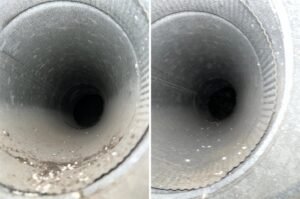
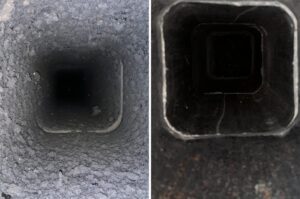
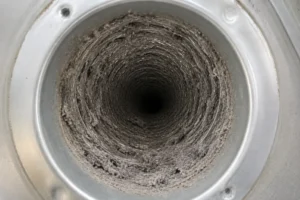
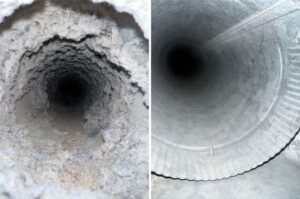
A camera inspection is a safer way to see the problem. It shows the condition of the duct interior and joints without anyone crawling around, and photos let you see the damage for yourself. Dust that is pulled in through leaks is also part of why North Texas ducts get dirty so quickly, which our article on why Dallas air ducts accumulate dust faster covers in more detail.
Repair, Sealing, or Replacement?
The right fix depends on what the inspection finds. Loose or dry joints can often be handled with air duct sealing, which closes the gaps rather than replacing the ductwork.
Where a section is torn, crushed, or disconnected, the job moves into air duct repair, which can often be done in the same visit as the sealing.
| What the inspection finds | Typical approach |
|---|---|
| Loose or dried-out joints | Seal with mastic or metal-backed tape |
| Torn or disconnected duct | Reconnect or repair the section |
| Crushed or kinked flexible duct | Straighten or replace the affected run |
| Compressed or missing insulation | Re-insulate ducts in the attic |
| Widespread brittleness or age | Consider replacing runs rather than patching them |
Materials matter. ENERGY STAR recommends sealing leaks with mastic or metal tape, notes that grey duct tape is not long-lasting, and advises insulating ducts in unconditioned areas such as attics with insulation rated R-6 or higher. It also recommends that a contractor evaluate airflow after repairs and run a combustion safety test after sealing when gas or oil appliances are present.
Protecting Your Ducts Going Forward
- Keep boxes and stored items off the ducts, and avoid stepping on them.
- Ask for ducts in the attic to be insulated and sealed properly when systems are installed or replaced.
- Have the ducts looked at when rooms stay hot or bills rise without a clear reason, rather than waiting for a failure.
- Seal leaks only with mastic or metal tape, and leave attic work to a qualified professional in the heat of summer.
Costs depend on how long the runs are, how hard they are to reach, and how much damage there is. A written quote that lists each repair is the best way to compare options.
Conclusion
Attic duct damage from summer heat is easy to miss because it happens out of sight, but its effects show up in hot rooms and rising bills. If your home has a room that never cools or a bill that keeps climbing, Warrior Air Duct Cleaning LLC can inspect the ducts with a camera, show you photos of any damage, and give you an honest quote for sealing, repair, or replacement. Call (469) 902-2922 or request a free quote to schedule a visit in Dallas and across the Dallas-Fort Worth area.