A burning smell when heat turns on is one of the most common surprises of the first cold snap, and it is not always a sign of trouble. You nudge the thermostat up, the furnace starts, and a scorched odor drifts out of the vents. For many Dallas homeowners, the next question is whether the house is in danger or the furnace is simply waking up.
North Texas furnaces sit idle through a long cooling season, so the first run of the year behaves differently from the rest. This guide explains what the smell usually is, how to tell a harmless startup odor from a warning sign, what you can safely check yourself, and when to switch the system off and call a professional.
Key Takeaways
- A faint, dusty burning smell that fades within a few hours of the first heating cycles is common and usually comes from settled dust.
- Hot plastic, rubber, electrical, smoky, or persistent odors mean the system should be switched off and checked.
- If you smell gas, leave the home and call 911 and your gas utility from outside.
- Carbon monoxide has no smell, so working CO alarms matter even when the odor seems harmless.
- Furnace and duct cleaning can remove one source of dust odor, but it will not repair a mechanical or electrical fault.
Why Does a Furnace Smell Like Burning the First Time Each Season?
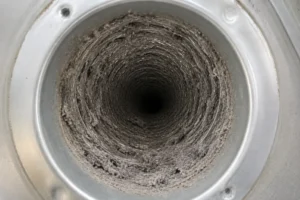
All year, dust, pet hair, and fine debris settle on furnace components and inside the ductwork. When the burners and blower start up, those surfaces warm quickly and the settled material can scorch, producing a dry, dusty odor.
Homes in Dallas-Fort Worth often notice it more because the heat can stay off for months. A layer that builds over a long cooling season has more to burn off than one that builds between short breaks.
What a normal startup smell is like
A harmless startup smell is faint, dry or dusty rather than chemical, starts when the heat first comes on, and usually fades within a few hours of operation. There is no visible smoke and no unusual noise.
Burning Smells and What They Can Mean
The type of odor offers clues, but only a technician can confirm the source.
| What you smell | Possible cause | Safe next step |
|---|---|---|
| Dry, dusty, like a warm heater | Dust burning off components at startup | Ventilate the home and watch whether it fades. Replace a dirty filter. |
| Hot plastic or rubber | An overheating motor or wiring, or an object touching a hot surface | Turn the system off at the thermostat and call a licensed HVAC technician. |
| Smoky or sooty | A combustion or venting problem, or a serious overheating issue | Turn the system off and call a professional. Treat it as urgent. |
| Rotten eggs or sulfur | A natural gas leak (utilities add this odor on purpose) | Leave the home immediately and call 911 and your gas utility. Do not flip switches. |
When a Burning Smell Is a Safety Warning
A startup odor that fades is one thing. These signs call for the system to be switched off and a professional to be called:
- Smoke coming from the vents or the furnace
- A hot plastic, rubber, or electrical odor
- A smell that does not fade after the first few hours of running
- Sparks, popping sounds, or a breaker that trips when the furnace starts
- Headaches, dizziness, or nausea while the heat runs, or a carbon monoxide alarm that sounds
Carbon monoxide deserves special mention. It has no smell, so a burning odor cannot tell you whether it is present. The U.S. Fire Administration explains that poisoning can occur when a fuel-burning appliance such as a furnace is not working or vented properly, and it recommends installing carbon monoxide alarms on every level of your home. If an alarm sounds or anyone feels ill, go outside and call 911.
What You Can Safely Check Before Calling
A few simple checks are reasonable while you decide what to do. None of them involve opening the furnace.
- Check the air filter and replace it if it is dirty or overdue.
- Make sure registers and return grilles are open and not blocked by furniture or curtains.
- Look around the furnace closet and nearby vents for stored items, paper, or fabric, and move them well away from the equipment.
- Open a window on a mild day to let any lingering odor out, and run the system again once the filter is clean.
Then stop. Furnace panels, burners, wiring, and gas connections are jobs for a licensed HVAC technician.
If dust is the likely cause, it helps to know where it comes from. Our guide on why a house stays so dusty explains how filters, duct leaks, and buildup inside the ducts all contribute.
Where Furnace and Duct Cleaning Fit In
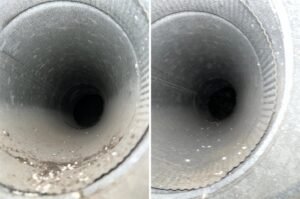
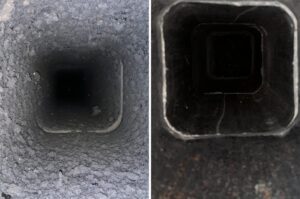
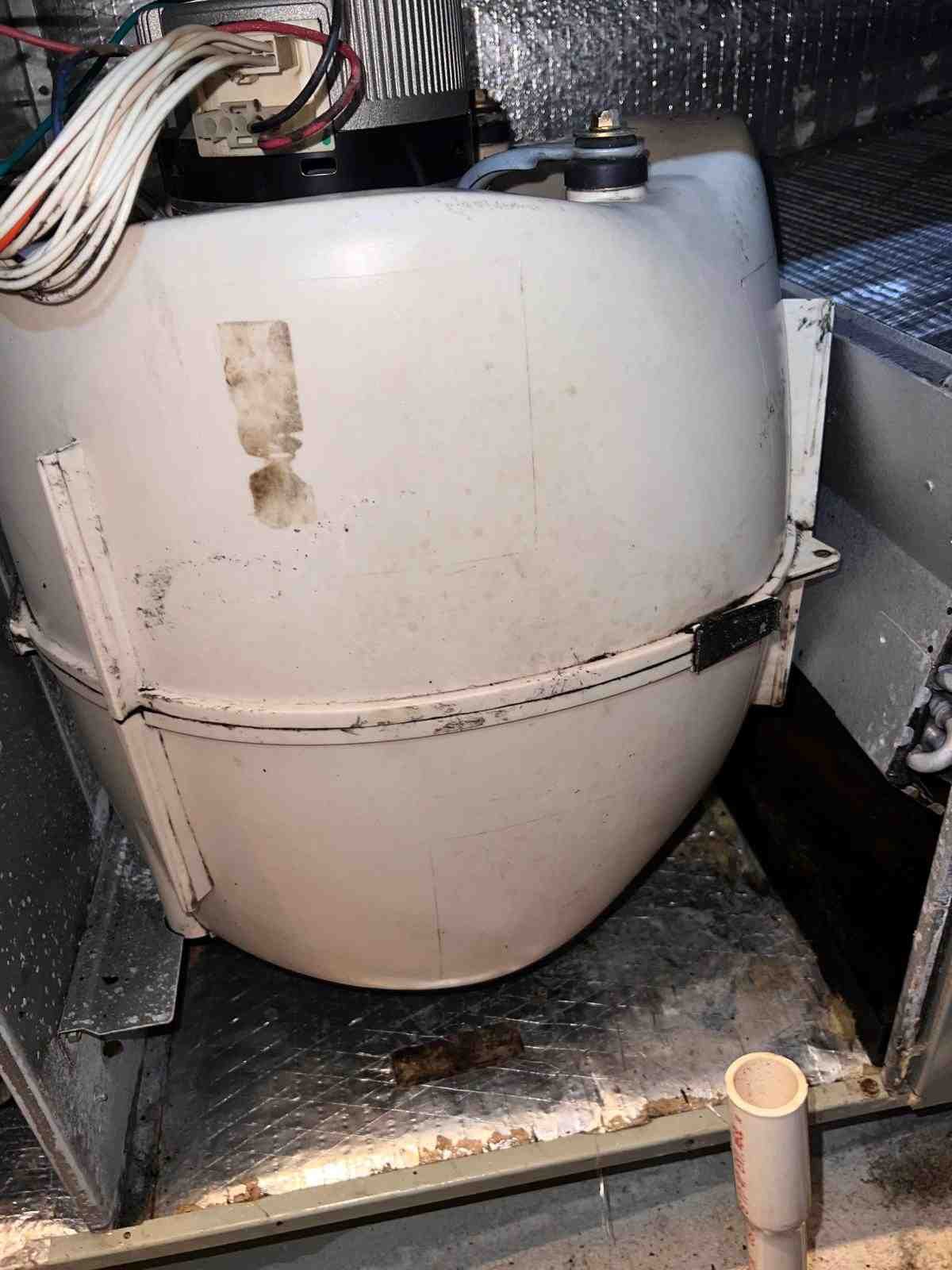
In a home with heavy buildup around the blower and inside the ducts, accumulated dust can be a steady source of odor each time the system cycles. Furnace cleaning removes buildup from the blower compartment and housing, which can reduce one common source of that smell.
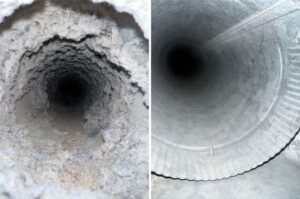
Cleaning is not the answer to every odor, and it is not necessary for every home. The EPA says duct cleaning is probably unnecessary when no one has allergy symptoms and a visual check shows no large deposits of dust or mold, and it recommends cleaning when ducts are visibly contaminated with substantial mold, pests, or heavy dust and debris. The agency also advises that fuel-burning furnaces be inspected and serviced before each heating season to protect against carbon monoxide poisoning.
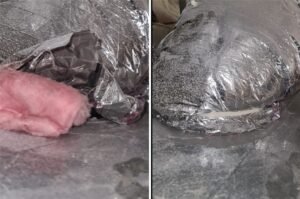
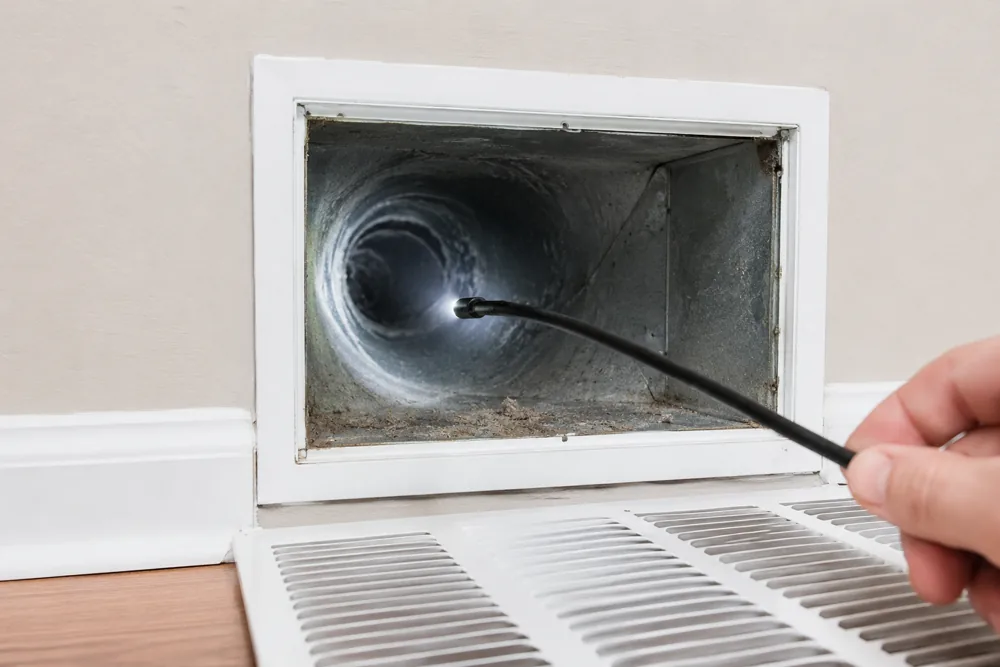
A smell caused by a failing motor, damaged wiring, or a combustion problem needs a repair, not a cleaning. That is why a look inside the system should come first. An air duct inspection uses a camera to show whether heavy buildup, debris, or an object is sitting in the duct runs, so the next step is based on what is actually there.
What a Professional Visit Looks Like
When you call Warrior Air Duct Cleaning about a burning smell, we start with questions: when it began, how long it lasts, and what it smells like. On site, a technician looks at the blower compartment and accessible ducts, and a camera shows the inside of the duct runs. You receive an honest quote for what the inspection shows, and photos document the condition before and after any cleaning. If the evidence points to an electrical fault or a failed furnace component, a licensed HVAC repair technician is the right next call, and we will tell you so.
Conclusion
A burning smell when the heat turns on is often just last season’s dust, but the cases that are not harmless deserve quick attention. If the smell lingers, if you want to know what is inside your ducts, or if you simply prefer to have the system checked before winter settles in, Warrior Air Duct Cleaning LLC can inspect it, show you photos of what we find, and give you an honest quote. Call (469) 902-2922 or request a free quote to schedule a visit anywhere in the Dallas-Fort Worth area.