Hosting the holidays means more people, more cooking, and more time indoors with the windows closed. The house looks ready, yet the air tells a different story: a stuffy living room, a lingering cooking smell, or a guest who starts sneezing an hour after arriving. Holiday guests and indoor air quality are closely linked, and a little preparation goes a long way.
This guide covers what changes in your home when guests arrive, how to improve the air before and during a gathering, where your HVAC system fits in, and when a professional look at the ducts is worth considering. It is written for Plano and North Texas homes, where cooler weather often means closing the house up after a long cooling season.
Key Takeaways
- Holiday gatherings add moisture, cooking byproducts, dander, and combustion sources to a house that is often closed up.
- Source control and ventilation come first. Use exhaust fans that vent outdoors and open windows briefly when you can.
- Replace the HVAC filter before guests arrive, using the type your system is designed for.
- Duct cleaning is not required for every home. A camera inspection shows whether heavy buildup or contamination is actually present.
What Changes in Your Home When Guests Arrive
A gathering changes the air in several ways at once. More people mean more moisture and more activity stirring up settled dust. Cooking for a crowd adds smoke, steam, and fine particles. Coats, bags, and visiting pets carry in dander and outdoor particles. Fireplaces, gas stoves, and candles add combustion byproducts.
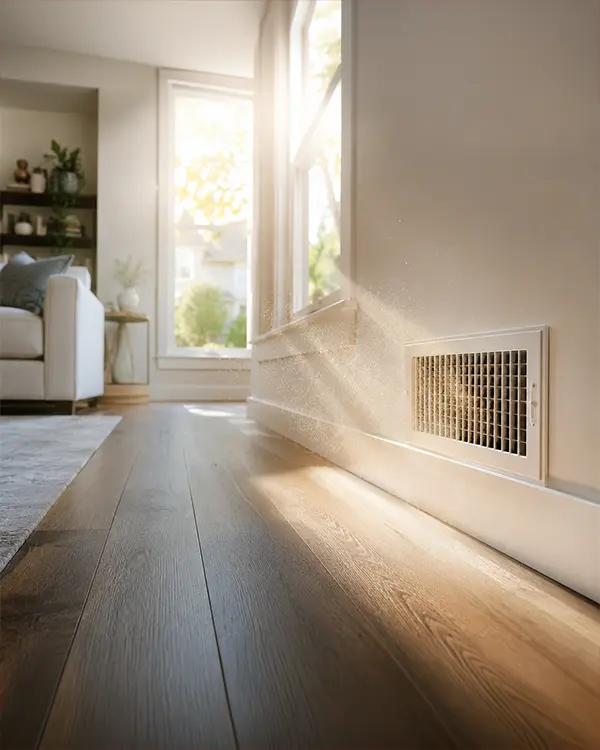
Most homes are also closed up. After weeks of heating or cooling with the doors shut, there is less fresh air coming in to dilute whatever is released inside. That is why a house can feel fine on an ordinary evening and noticeably stuffy at a full dinner party.
Start With the Sources You Can Control
Cooking and the kitchen
Use the range hood or kitchen exhaust fan whenever you cook, as long as it vents outdoors. A hood that only recirculates filters some grease but returns the air to the room. Cover pots to hold steam, and keep the fan running for a while after the last dish comes off the stove.
Candles, fireplaces, and scented products
Candles, incense, and wood fires release particles and combustion byproducts. Consider using fewer of them while the house is full, and make sure fireplace and furnace equipment has been inspected before the season. Air fresheners cover odors without removing the cause, so deal with the source of a smell first.
Pets, bedding, and housekeeping
Wash guest bedding and vacuum rugs and upholstery a few days ahead. A vacuum with a HEPA filter helps keep what it picks up from blowing back into the room. Extra loads of towels and linens also send more lint through your dryer, so a vent that already dries slowly deserves attention before a busy week.
Ventilation and Filtration Before the House Fills Up
The EPA describes three basic strategies for better indoor air: source control, improved ventilation, and air cleaning or filtration. It also notes that most home heating and cooling systems, including forced-air heating, do not mechanically bring fresh air into the house. Opening windows and running exhaust fans that vent outdoors are the practical options when the weather permits, and many late fall and winter days in North Texas are mild enough to do it.
The HVAC filter
Replace the filter before the holidays, using the size and type your system is designed for. A higher-rated filter is not always better, because one that restricts airflow too much can strain the system. Check your equipment guidance or ask a technician if you are unsure.
Where Your Ducts and HVAC System Fit In
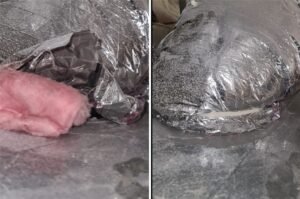
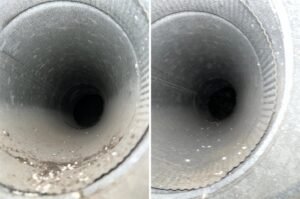
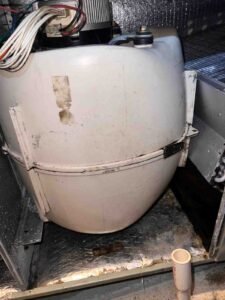
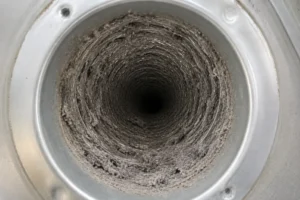
Your HVAC system moves the same air through the house again and again, so anything built up in the system can circulate with it. Dust, pet dander, and debris can collect in supply and return ducts over time. If guests with allergies or asthma are staying, or the house smells musty, a closer look can be worthwhile. Warrior Air Duct Cleaning’s indoor air quality services start by finding the actual source of the problem rather than covering it up.
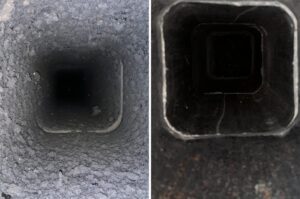
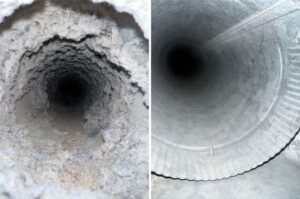
Duct cleaning is not a holiday requirement, and it is not a cure for allergies. The EPA says it is probably unnecessary when no one in the household has unexplained symptoms and a visual check shows no large deposits of dust or mold. It advises cleaning when ducts are visibly contaminated with substantial mold, pests, or heavy dust and debris.
If an inspection does show heavy buildup, residential air duct cleaning can remove dust and debris from the supply and return runs. Scheduling it a couple of weeks before guests arrive leaves room for busy holiday calendars.
For hosts with sensitive guests, our article on dust and dander recirculation explains why indoor allergy symptoms can flare and what actually helps.
A Simple Timeline for Hosts
| When | What to do |
|---|---|
| Two weeks before | Replace the HVAC filter, make sure registers and returns are open, and book an inspection if you notice heavy dust or musty odors. |
| One week before | Wash guest bedding, vacuum rugs and upholstery, and clear clutter from vents and furnace areas. |
| Day of | Run exhaust fans while cooking, open windows briefly, and keep candle and fireplace use modest. |
| During the gathering | Air out the main rooms for a few minutes between courses when the weather allows. |
| Afterward | Run kitchen and bathroom fans during cleanup, and check the filter if the house had heavy use. |
Conclusion
A comfortable holiday house starts with clean, fresh air, and most of the work is simple. Change the filter, ventilate, and control the obvious sources. If you suspect your ducts are adding to the problem, Warrior Air Duct Cleaning LLC can inspect them with a camera, show you photos of what is inside, and give you an honest quote. Call (469) 902-2922 or request a free quote to schedule a visit in Plano and across the Dallas-Fort Worth area.