When the first winter bill lands, it is natural to look for something in the house to blame. Dusty vents and a furnace that seems to run all evening make the ducts an easy suspect, and plenty of marketing implies that cleaning them will bring the bill down. So, can duct cleaning lower heating bills?
The honest answer is that it can help in specific situations, but cleaning the ducts by themselves is rarely the biggest lever. This guide sorts out what government sources actually say, what does move a heating bill in North Texas homes, and when cleaning makes sense for reasons that have nothing to do with savings.
Key Takeaways
- Duct cleaning alone is not a proven way to lower heating bills, according to the EPA.
- Cleaning a clogged blower, coil, or heat exchanger may improve efficiency, which is different from cleaning only the ducts.
- Duct leaks, poor insulation, and equipment condition usually affect your bill more than dust inside the ducts.
- Be cautious of any company that promises a specific percentage of savings from cleaning alone.
What the EPA and ENERGY STAR Say
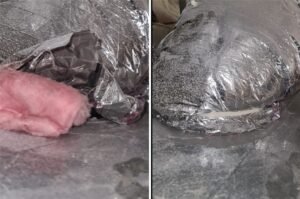
The EPA’s duct cleaning guidance is direct: there is little evidence that cleaning only the ducts improves efficiency. The agency adds that some research suggests cleaning dirty cooling coils, fans, and heat exchangers can improve the efficiency of heating and cooling systems, and that sealing duct air leaks can help save energy on heating and cooling bills.
ENERGY STAR makes a related point about leaks. In its duct sealing guidance, the program says that in typical homes about 20 to 30 percent of the air moving through the duct system is lost to leaks, holes, and poorly installed ducts, and that a properly sealed and insulated duct system can help reduce energy bills.
Read together, the message is consistent. Air that escapes before it reaches a room costs money. A film of dust on duct walls is a different kind of problem, and the evidence that removing it cuts your bill is thin.
What Actually Moves a Heating Bill
Heating costs follow the energy needed to warm the house and how much of that warmth reaches the rooms. The table below ranks common factors by how directly they affect that process.
| Factor | Why it matters | How it relates to your bill |
|---|---|---|
| Duct leaks | Heated air escapes into the attic or wall cavities before it reaches a room | Often significant, according to ENERGY STAR |
| Duct insulation | Ducts in unconditioned spaces lose heat on the way to the rooms | Meaningful where ducts run through attics or crawlspaces |
| Air filter | A clogged filter restricts airflow and makes the system work harder | Modest, and cheap to fix |
| Dirty blower, coil, or heat exchanger | Heavy buildup on these parts can reduce efficiency, according to the EPA | Possible, depending on condition |
| Thermostat settings and equipment age | They set how long and how efficiently the system runs | Often large |
| Duct cleaning alone | Little evidence of savings, according to the EPA | Limited |
Why North Texas Homes Are a Special Case
In Dallas-Fort Worth, the cooling season is much longer than the heating season, and many homes have ductwork running through the attic. That means leaks and missing insulation can waste energy in both seasons. A homeowner who focuses only on dust in the vents may miss the larger issue hiding above the ceiling.
It also means a heating-season bill is only part of the picture. Fixing a leak or adding insulation helps in July as well as January, which makes those projects easier to justify than a cleaning chosen for energy reasons alone.
When Cleaning Can Make Sense
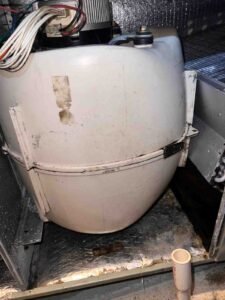
Cleaning is worth considering when the system itself is dirty enough to interfere with how it runs. If a blower wheel is caked with dust or a coil is coated, cleaning those parts may improve performance, which is the scenario the EPA research describes. HVAC system cleaning covers the blower, coil, and cabinet in addition to the ducts, so the whole airflow path gets attention.
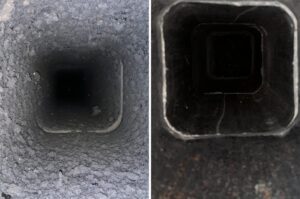
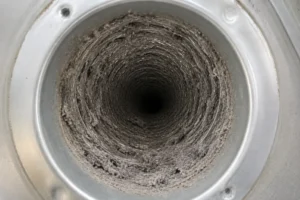
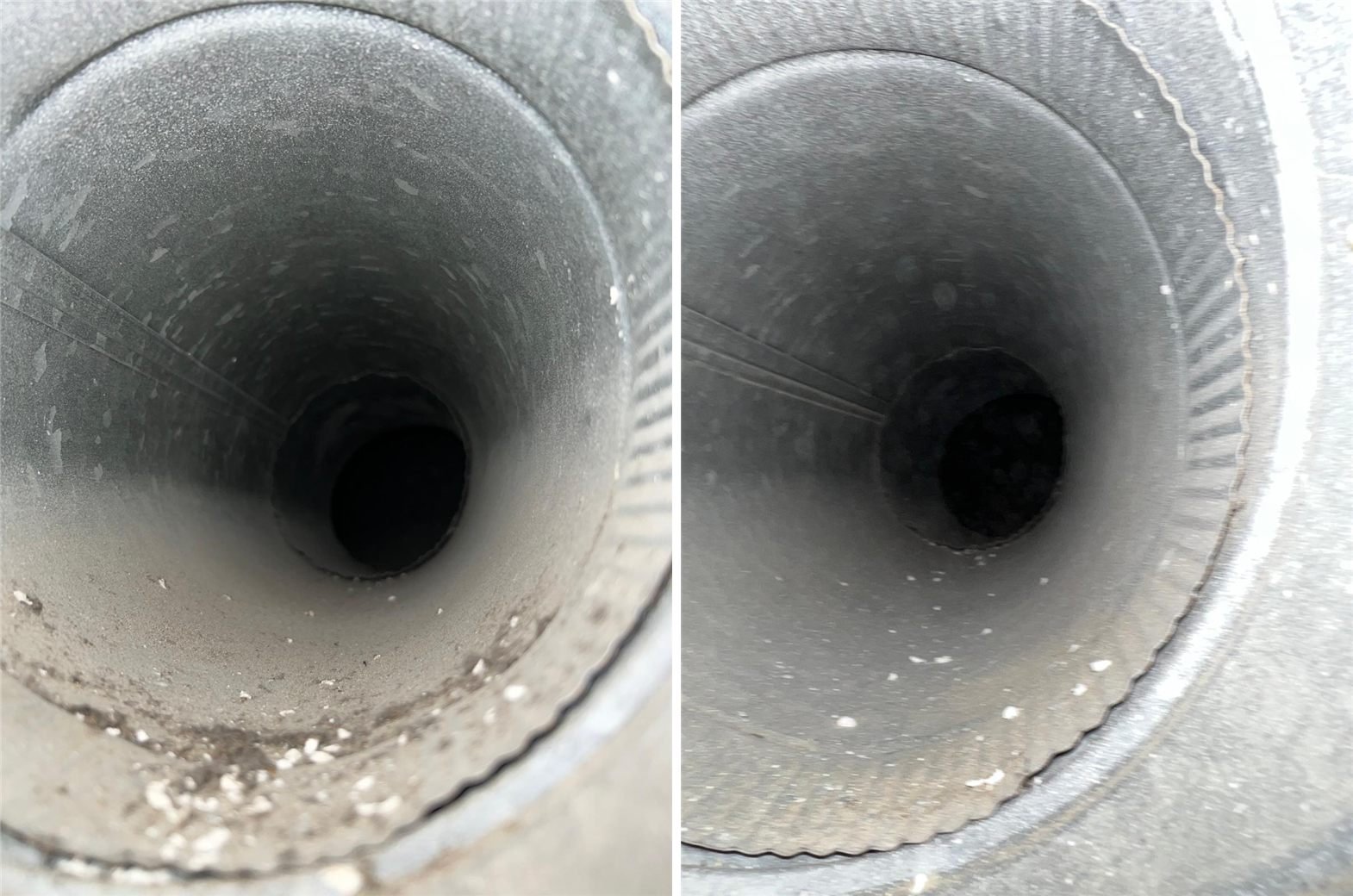
The EPA also recommends cleaning when ducts are visibly contaminated with substantial mold, pests, or heavy deposits of dust and debris. Those are health and cleanliness reasons, not energy-savings reasons, and a camera inspection is the simplest way to tell whether any of them apply to your home.
Sealing Leaks Often Has the Bigger Payoff
If your goal is a lower bill, finding and sealing leaks is usually a better first project than cleaning. Joints come apart, tape dries out, and seams that were never sealed well leak from day one. Air duct sealing starts by locating those leaks, then closes them with materials made to hold up in an attic. No one can promise a specific dollar amount, because savings depend on how leaky the system is and how your home is built.
Sealing and cleaning can also work together. If a camera inspection shows both heavy buildup and leaking joints, it makes sense to address both in the same visit rather than paying for two trips.
Practical Ways to Trim Your Heating Bill
- Replace the air filter on the schedule your system calls for.
- Have the furnace inspected and serviced before the heating season, as the EPA recommends for fuel-burning equipment.
- Ask a professional to check for duct leaks and missing insulation, especially in attic runs.
- Do not use ordinary grey duct tape to patch ducts. ENERGY STAR notes that it does not last, and mastic or metal-backed tape is the better choice.
- Leave attic work and gas equipment to licensed professionals.
How Often Should You Clean Ducts for Efficiency?
There is no schedule that guarantees savings. Cleaning frequency depends on dust levels, pets, nearby construction, and whether anyone in the home has allergy concerns. Our guide on how often to clean air ducts in Texas walks through the general guideline and the signs that call for sooner service.
Conclusion
If you want a lower heating bill, start with the leaks, the insulation, and the equipment, and treat duct cleaning as a separate decision based on what is actually inside your system. When you are ready for a straight answer about your home, Warrior Air Duct Cleaning LLC can inspect the ducts with a camera, show you photos of what we find, and give you an honest quote with no promises about savings we cannot back up. Call (469) 902-2922 or request a free quote to schedule a visit in Plano and across the Dallas-Fort Worth area.